Hilo, Hawaii
Trip Profile
Travel Planning
Explore Other Destinations
More places we help travelers plan
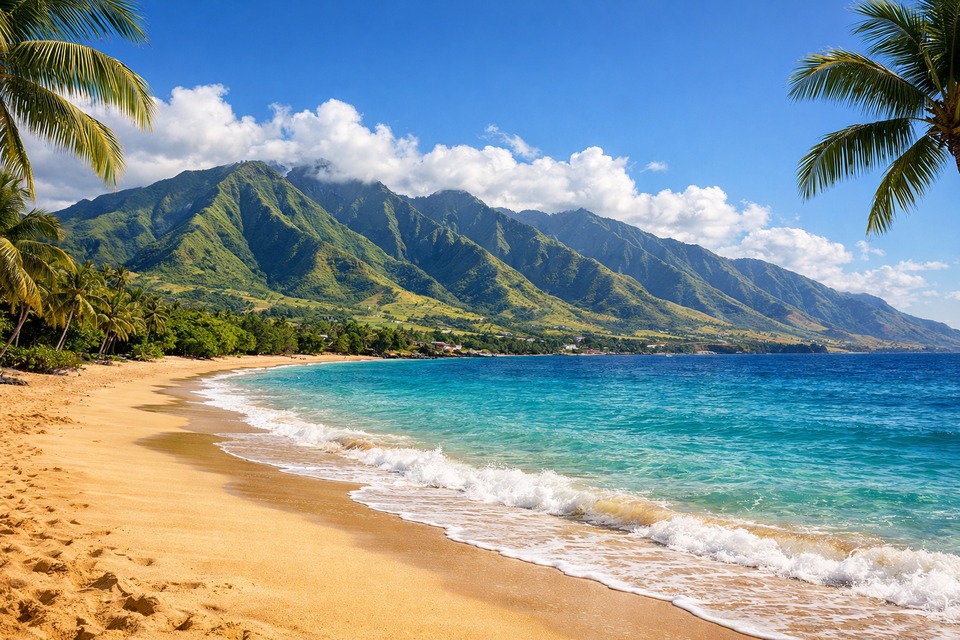
Maui, Hawaii
Maui, the second-largest Hawaiian island, captivates travelers with its diverse landscapes ranging from volcanic…
Explore Maui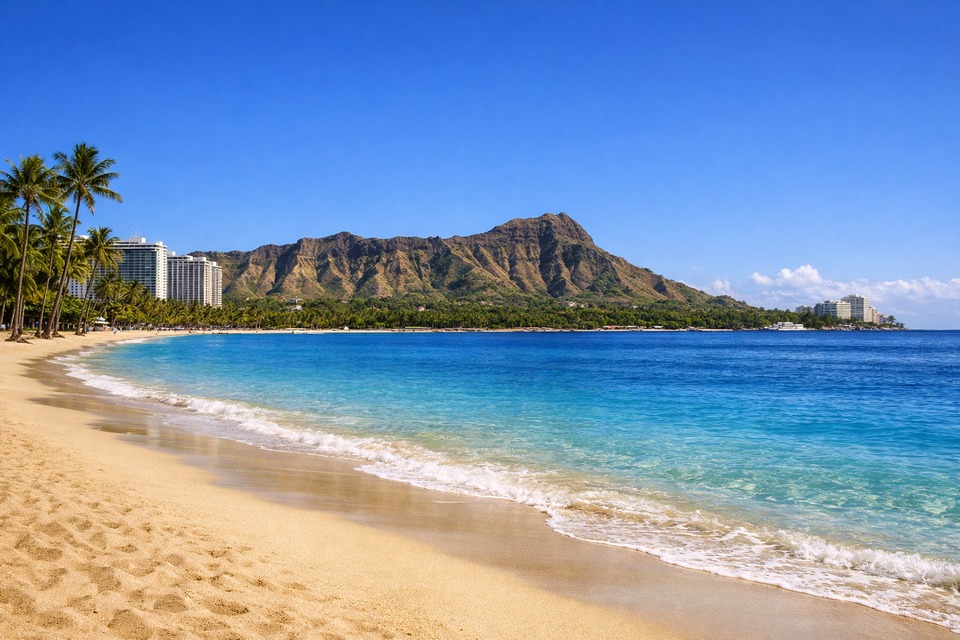
Oahu, Hawaii
Oahu, known as 'The Gathering Place,' is Hawaii's most populous island and the cultural heart of the Hawaiian…
Explore Oahu
Big Island, Hawaii
Hawaii's Big Island, officially known as the Island of Hawaiʻi, is the largest and youngest island in the Hawaiian…
Explore Big Island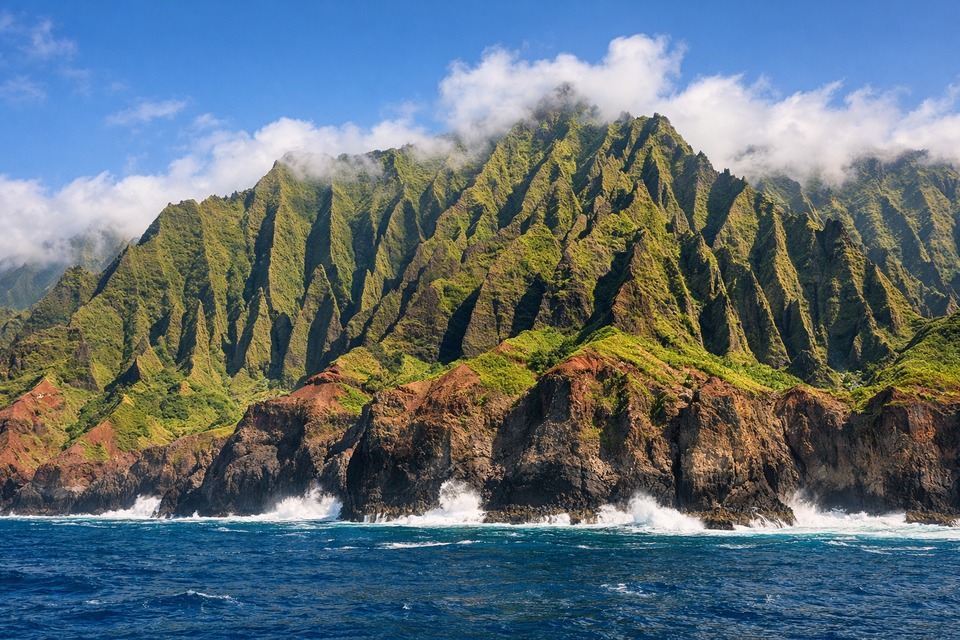
Kauai, Hawaii
Kauai, known as the 'Garden Isle,' is Hawaii's fourth-largest island and arguably its most pristine and untouched…
Explore Kauai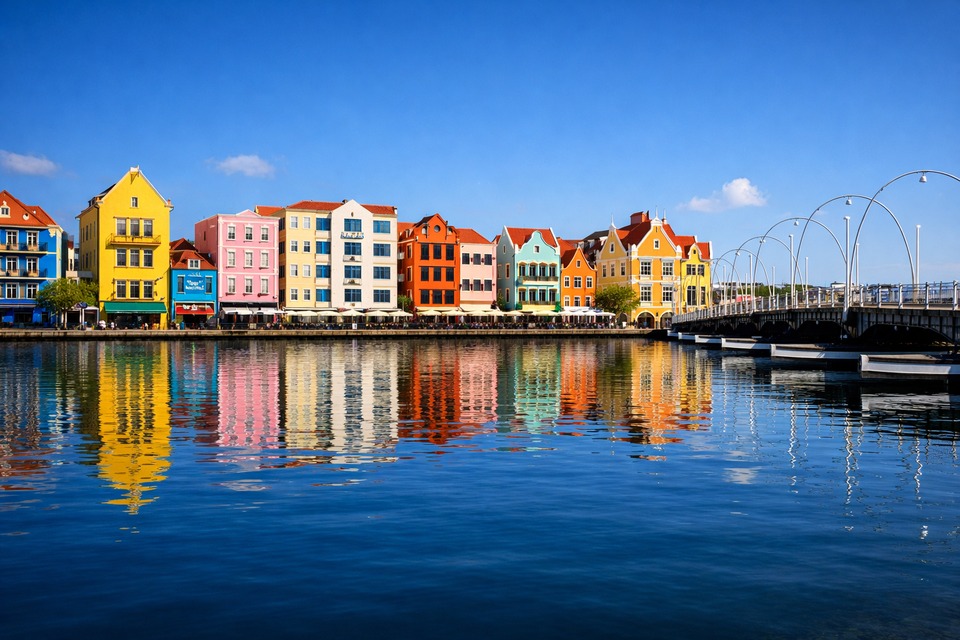
Curaçao
Trending 2026 destination with 38% rise in family travel. Outside hurricane belt. Features Sandals Royal Curaçao…
Explore CuraçaoKey West, Florida
Key West is America's southernmost city, a laid-back island paradise at the tip of the Florida Keys connected by the…
Explore Key West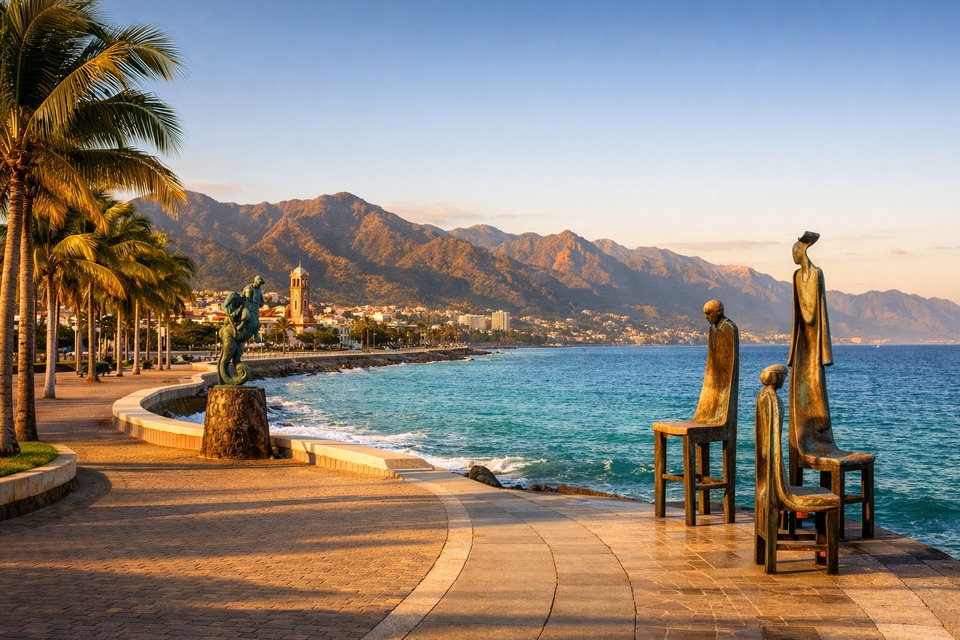
Puerto Vallarta, Mexico
Puerto Vallarta is a vibrant coastal city on Mexico's Pacific coast that perfectly blends authentic Mexican culture…
Explore Puerto Vallarta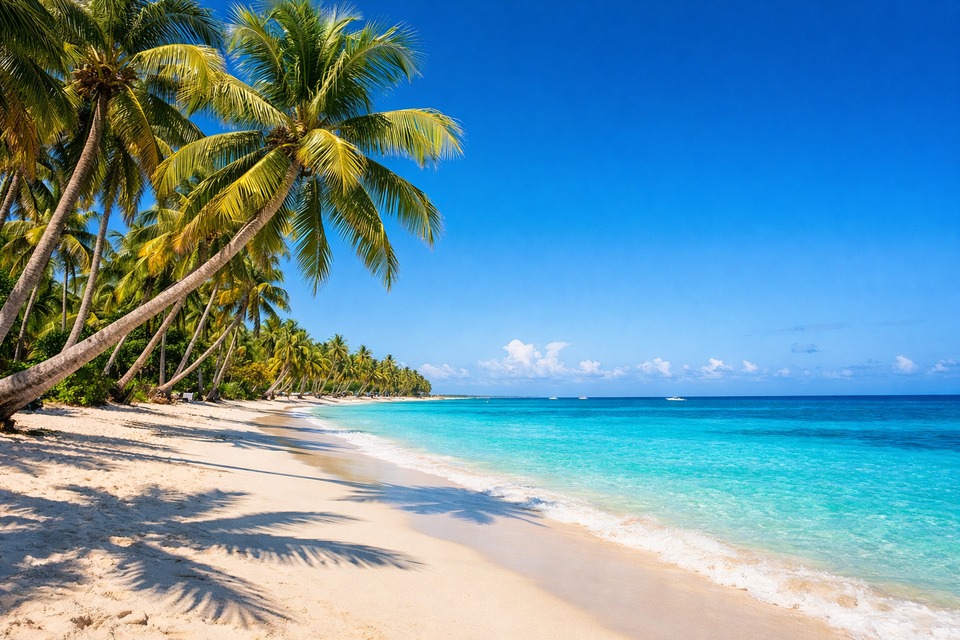
Punta Cana, Dominican Republic
#1 most visited Caribbean destination with 50,000+ hotel rooms. Home to the highest concentration of all-inclusive…
Explore Punta CanaSwipe to explore more destinations →
When to visit Hilo
Hilo quick facts
Getting around Hilo
Hilo is a small town where downtown attractions are walkable, but a rental car is essential for reaching waterfalls, Volcanoes National Park, and other Big Island sights. The town has limited public transportation and most attractions are spread across the island.
Rental car
A rental car is strongly recommended and practically necessary for exploring beyond downtown Hilo. Most visitors rent at the airport upon arrival.
Public transit
The Hele-On bus system provides limited service around Hilo and to some Big Island destinations, but routes are infrequent and not practical for most tourist activities.
Rideshare & taxis
Uber and Lyft operate in Hilo but with limited availability and higher costs than mainland US cities. Taxis are available but should be arranged in advance.
Local tips for Hilo
Insider tips
- Visit Rainbow Falls in the morning when sunlight creates the best rainbow effects in the mist.
- The Hilo Farmers Market on Saturday mornings offers the best selection of local fruits and hot food vendors.
- Pack an umbrella or rain jacket even on sunny days as brief showers are common and unpredictable.
- Stop at Tex Drive In for fresh malasadas on your way to or from Volcanoes National Park.
- Many waterfalls require short hikes on potentially muddy trails, so bring appropriate footwear.
- Downtown Hilo shops often close early or on Sundays, so plan shopping accordingly.
- Local fruit stands along highways offer fresher and cheaper produce than grocery stores.
- Book volcano tours in advance as they fill up quickly, especially during active lava periods.
- The east side of the Big Island is significantly cooler and wetter than the Kona side.
- Liliuokalani Gardens offers free, peaceful walking with Japanese-style landscaping and bay views.
What to pack
- Waterproof rain jacket or poncho
- Quick-dry hiking pants and shorts
- Sturdy hiking shoes with good grip
- Flip-flops or water shoes
- Lightweight umbrella
- Moisture-wicking shirts
- Warm layer for volcano visits
- Waterproof phone case
- Insect repellent
- Reusable water bottle
Sample itinerary: 4 days in Hilo
A suggested day-by-day plan your travel agent can customize.
Chat with Courtney to plan your dream Hilo itinerary
A day-by-day plan built around your dates, pace, and budget, by a real advisor who prices Hilo trips every week. Free, because resorts pay her, not you.
Plan my dream itineraryFrequently Asked Questions
Common questions about visiting Hilo
