Diamond Head, Oahu
Trip Profile
Travel Planning
Explore Other Destinations
More places we help travelers plan

Maui, Hawaii
Maui, the second-largest Hawaiian island, captivates travelers with its diverse landscapes ranging from volcanic…
Explore Maui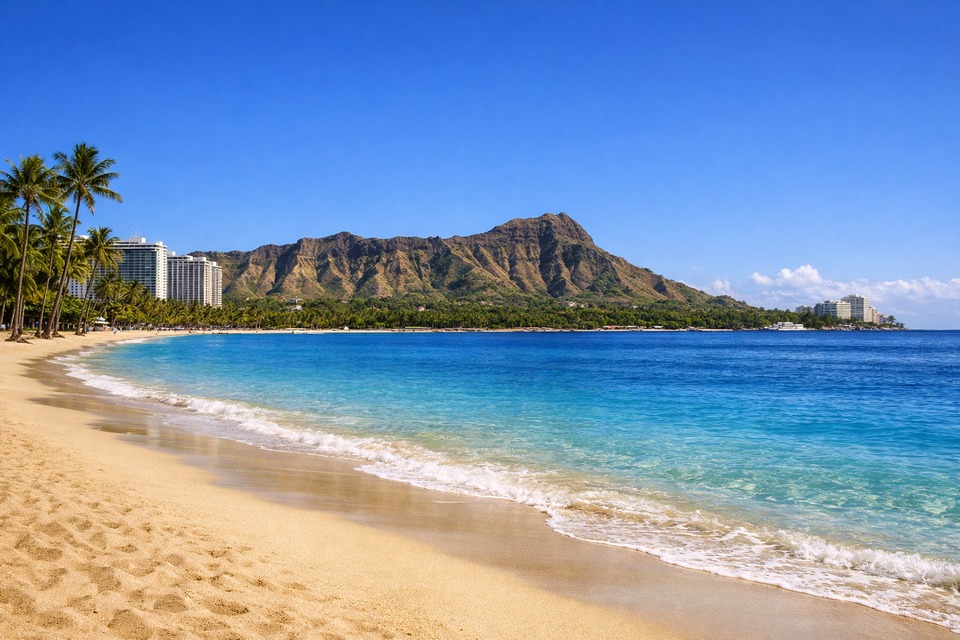
Oahu, Hawaii
Oahu, known as 'The Gathering Place,' is Hawaii's most populous island and the cultural heart of the Hawaiian…
Explore Oahu
Big Island, Hawaii
Hawaii's Big Island, officially known as the Island of Hawaiʻi, is the largest and youngest island in the Hawaiian…
Explore Big Island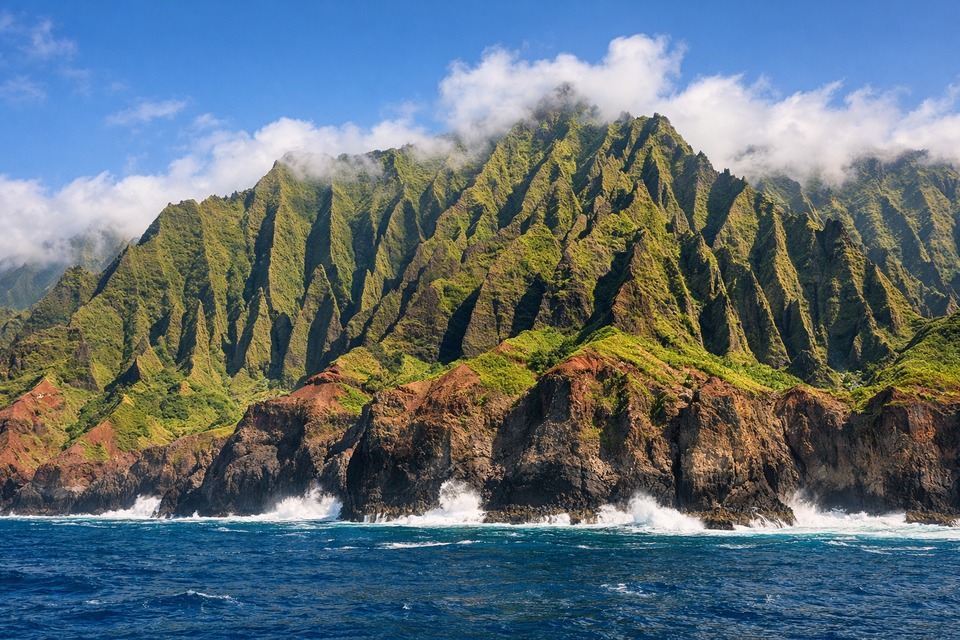
Kauai, Hawaii
Kauai, known as the 'Garden Isle,' is Hawaii's fourth-largest island and arguably its most pristine and untouched…
Explore Kauai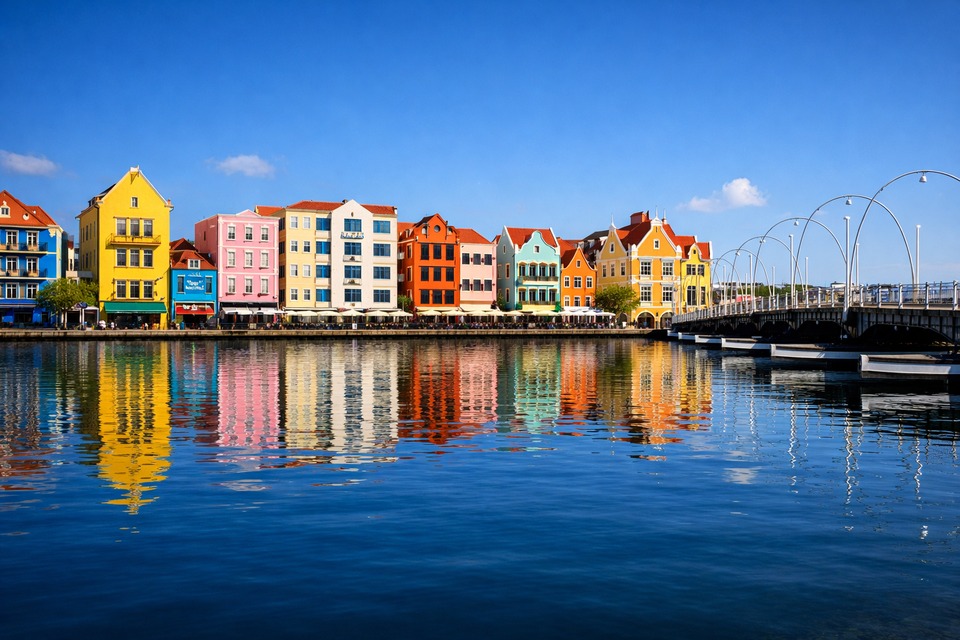
Curaçao
Trending 2026 destination with 38% rise in family travel. Outside hurricane belt. Features Sandals Royal Curaçao…
Explore Curaçao
Puerto Vallarta, Mexico
Puerto Vallarta is a vibrant coastal city on Mexico's Pacific coast that perfectly blends authentic Mexican culture…
Explore Puerto Vallarta
Punta Cana, Dominican Republic
#1 most visited Caribbean destination with 50,000+ hotel rooms. Home to the highest concentration of all-inclusive…
Explore Punta Cana
Negril, Jamaica
Home to iconic Seven Mile Beach, Jamaica's most laid-back beach destination. Features Beaches Negril (family…
Explore NegrilSwipe to explore more destinations →
When to visit Diamond Head
Diamond Head quick facts
Getting around Diamond Head
Diamond Head is easily accessible from Waikiki via walking, public bus, rideshare, or rental car. Most visitors stay in Waikiki and take a short trip to the crater for hiking.
Rental car
A rental car isn't necessary if staying in Waikiki, but can be convenient for exploring other parts of Oahu. Parking at Diamond Head is very limited and fills up early.
Public transit
TheBus Route 23 connects Waikiki to Diamond Head with stops near the crater entrance, making it an affordable and convenient option.
Rideshare & taxis
Uber and Lyft are readily available and popular for the short trip from Waikiki hotels to Diamond Head, though surge pricing may apply during peak times.
Local tips for Diamond Head
Insider tips
- Make reservations online in advance as walk-ins are not permitted and the site often sells out weeks ahead.
- Bring a small flashlight or use your phone's light for the dark tunnel sections along the trail.
- Wear closed-toe shoes with good grip as the trail includes loose gravel and steep concrete steps.
- Start your hike before 8 AM to beat crowds and avoid the hottest part of the day.
- Take the stairs slowly and use handrails - the final climb to the summit involves steep, uneven steps.
- Bring more water than you think you need as there are no facilities or water fountains on the trail.
- Check weather conditions before going as the trail can be slippery when wet and dangerous during high winds.
- Consider taking public bus Route 23 or walking from Waikiki to avoid parking hassles.
- Download offline maps to your phone as cell service can be spotty inside the crater.
- Visit on weekdays if possible as weekends and holidays are significantly more crowded.
What to pack
- Sturdy hiking shoes or sneakers with good traction
- Small flashlight or headlamp for tunnel sections
- At least 32 oz of water per person
- Sunscreen with high SPF and hat for sun protection
- Light, breathable clothing that covers arms and legs
- Small backpack or daypack for hands-free climbing
- Camera or smartphone for summit photos
- Small towel for sweat and cooling
- Snacks or energy bars for the summit
- Cash for parking if driving
Sample itinerary: 3 days in Diamond Head
A suggested day-by-day plan your travel agent can customize.
Chat with Courtney to plan your dream Diamond Head itinerary
A day-by-day plan built around your dates, pace, and budget, by a real advisor who prices Diamond Head trips every week. Free, because resorts pay her, not you.
Plan my dream itinerary Price it firstFrequently Asked Questions
Common questions about visiting Diamond Head
