St. Philip, Barbados
Trip Profile
Travel Planning
Explore Other Destinations
More places we help travelers plan
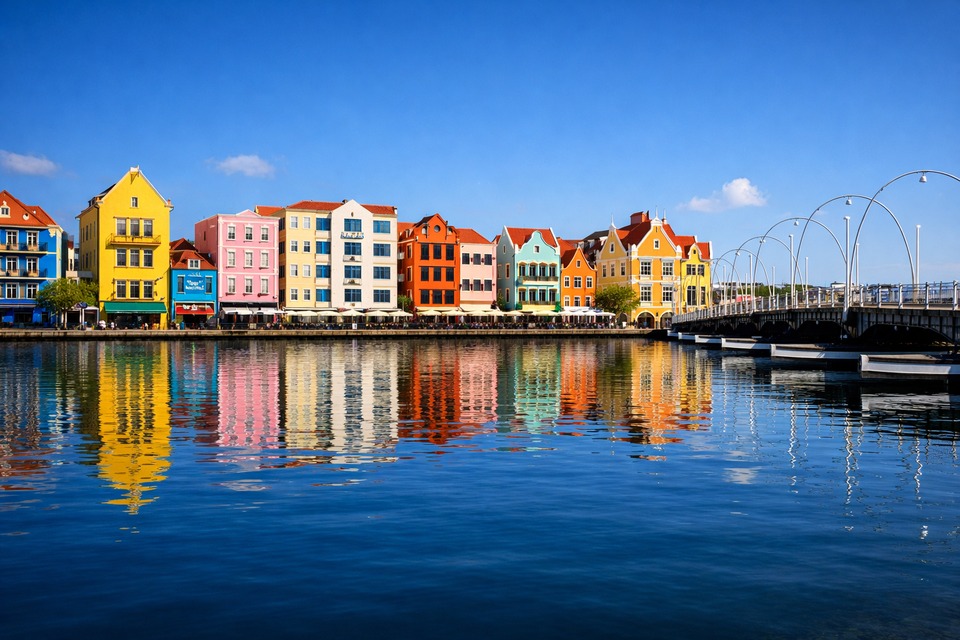
Curaçao
Trending 2026 destination with 38% rise in family travel. Outside hurricane belt. Features Sandals Royal Curaçao…
Explore Curaçao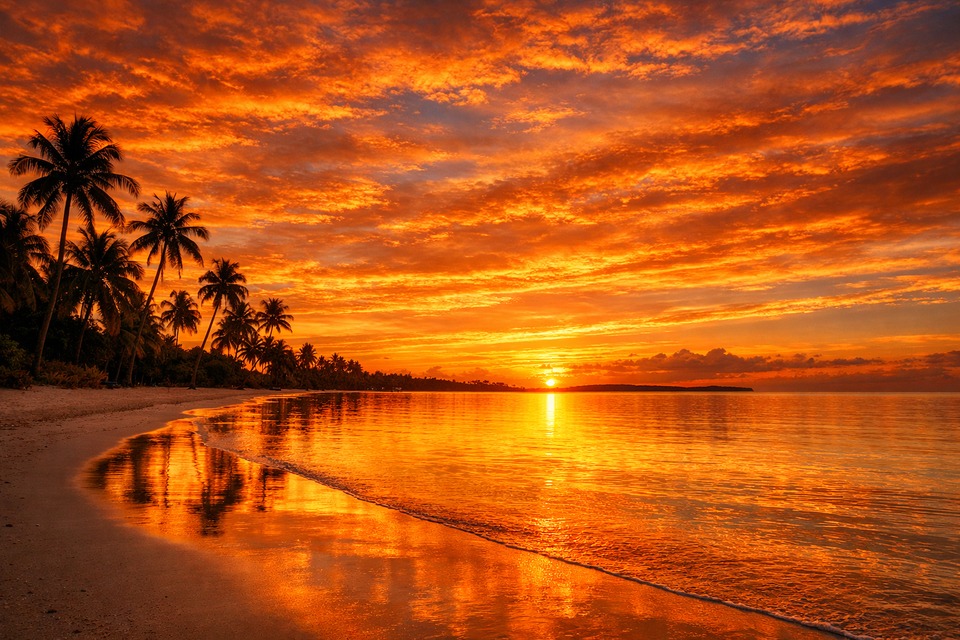
Negril, Jamaica
Home to iconic Seven Mile Beach, Jamaica's most laid-back beach destination. Features Beaches Negril (family…
Explore Negril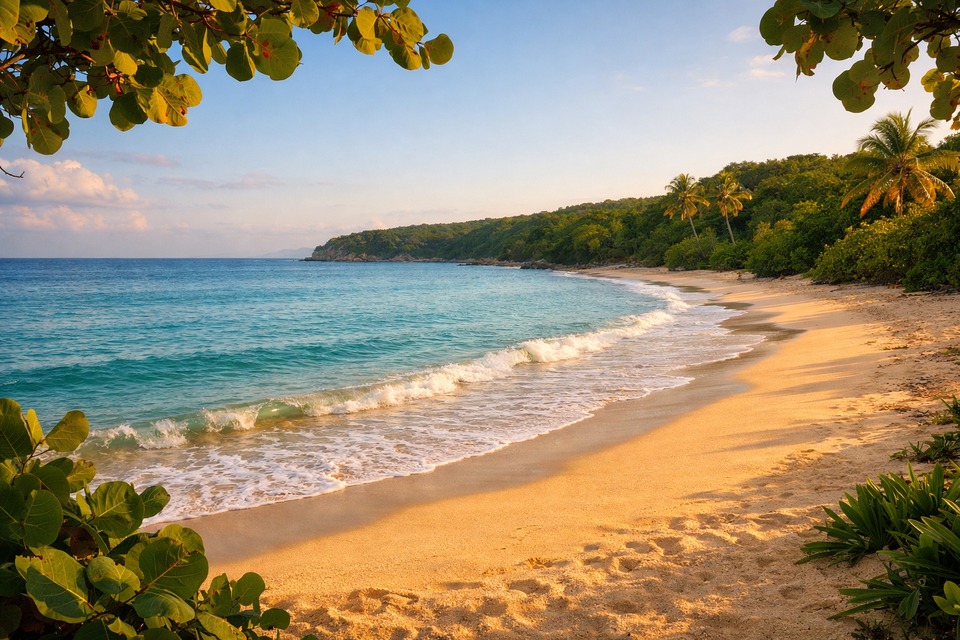
Whitehouse, Jamaica
Jamaica's South Coast features Sandals South Coast with Caribbean's first overwater bungalows. Most authentic…
Explore Whitehouse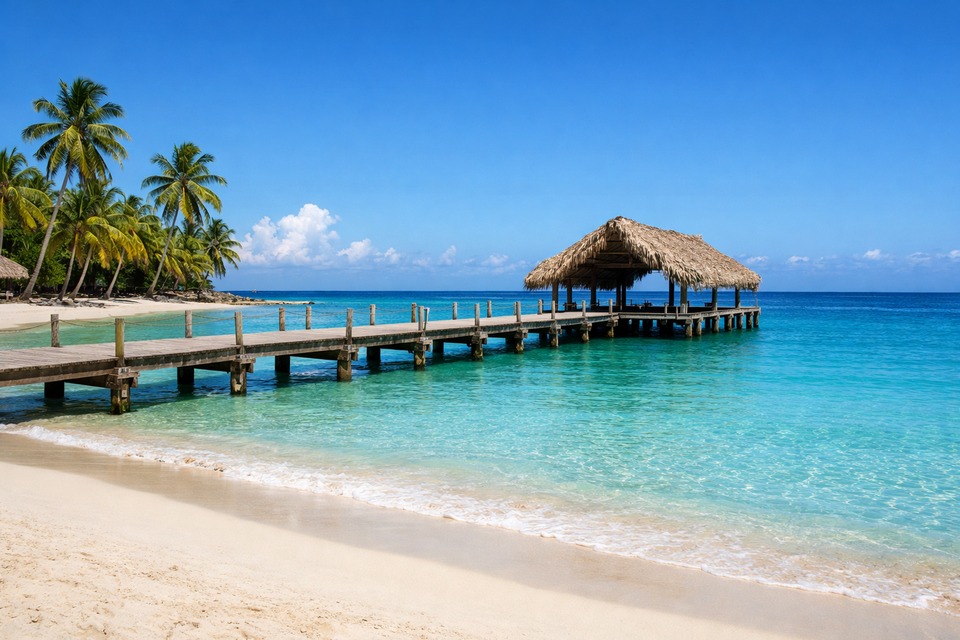
Port of Spain & Tobago
Home to Caribbean's biggest carnival. Trinidad features Hilton Trinidad and Hyatt Regency. Birthplace of steel drum…
Explore Port of Spain & Tobago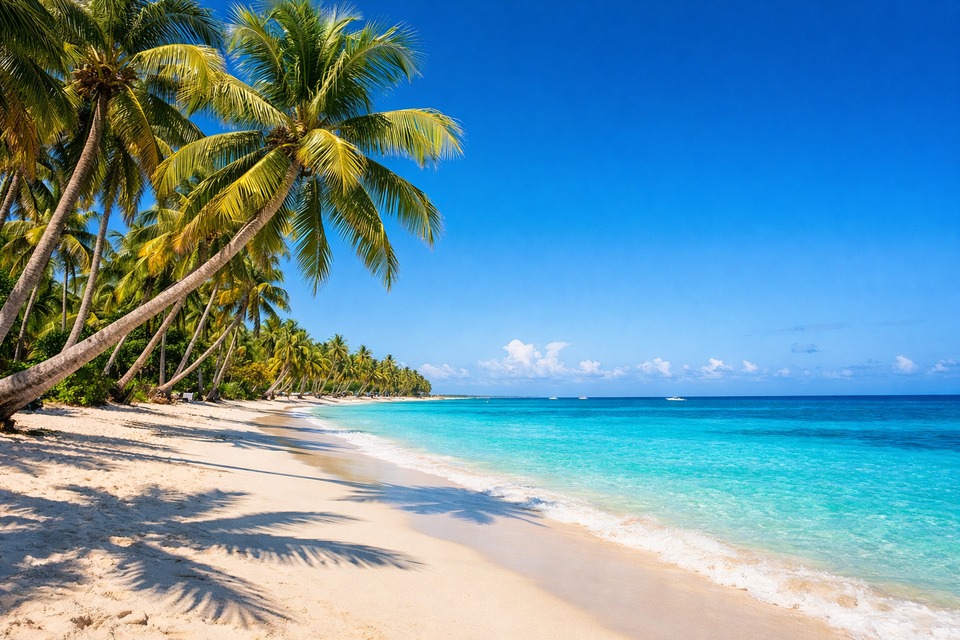
Punta Cana, Dominican Republic
#1 most visited Caribbean destination with 50,000+ hotel rooms. Home to the highest concentration of all-inclusive…
Explore Punta Cana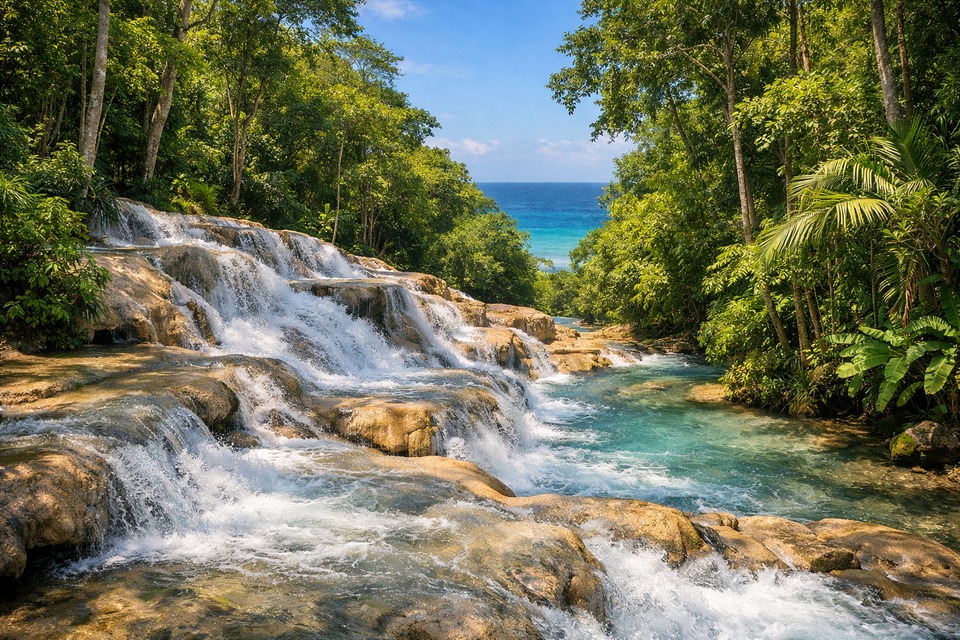
Ocho Rios, Jamaica
Jamaica's adventure tourism capital, home to Dunn's River Falls. Features Sandals Ochi, Sandals Dunn's River, RIU…
Explore Ocho Rios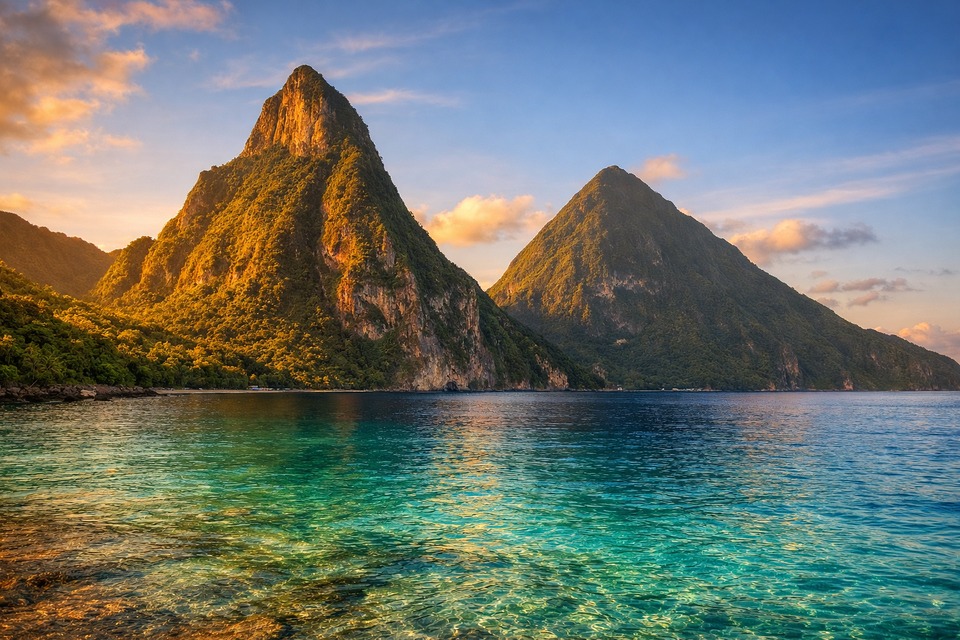
St. Lucia
#1 ranked Caribbean destination for 2026 (U.S. News). Most romantic Caribbean island featuring iconic Pitons UNESCO…
Explore St. Lucia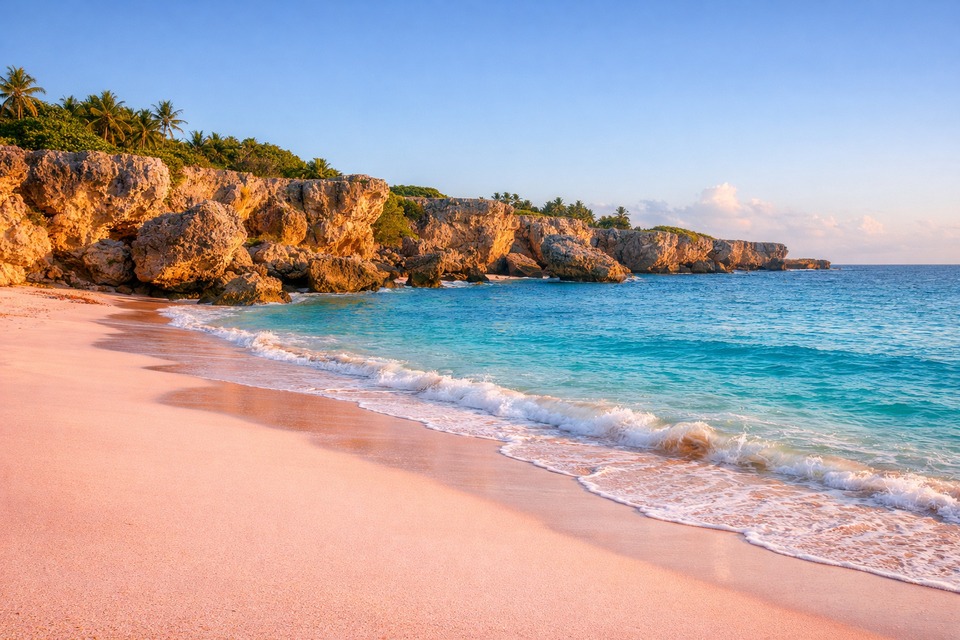
Barbados
Never "out of style" destination with British heritage. Features 2 Sandals resorts plus NEW Marriott Tribute…
Explore BarbadosSwipe to explore more destinations →
When to visit St. Philip
St. Philip quick facts
Getting around St. Philip
Transportation in rural St. Philip relies primarily on rental cars, with limited public bus service and few taxis. The parish's attractions are spread out across coastal and inland areas, making personal transportation essential for exploring.
Rental car
A rental car is highly recommended for St. Philip as it's a rural area with scattered attractions and limited public transportation. Most roads are paved but can be narrow and winding.
Public transit
Public buses (ZRs) run infrequently through St. Philip with irregular schedules, mainly connecting to Bridgetown and other parishes rather than local attractions.
Rideshare & taxis
Uber and Lyft are not available in St. Philip. Licensed taxis can be arranged through hotels or by phone, but service is limited and expensive for exploring the parish.
Local tips for St. Philip
Insider tips
- Visit the local rum shops in the late afternoon when fishermen return with fresh catches and locals gather to socialize.
- The Atlantic coast can have strong undertows, so always check with locals about safe swimming spots before entering the water.
- Many attractions and restaurants in St. Philip operate on 'island time' - call ahead or be flexible with timing.
- Bring cash as many local establishments don't accept credit cards, especially smaller rum shops and beach vendors.
- The best views and photo opportunities are during golden hour when the dramatic coastline is perfectly lit.
- Local buses (ZRs) run infrequently in rural areas, so plan transportation in advance if not renting a car.
- Sunday is family day in Barbados - many local attractions and restaurants may have different hours or be closed.
- Pack reef-safe sunscreen as the Caribbean sun is intense, especially with reflection off the water and white sand.
- Mosquitoes can be active around sunset, particularly near vegetation, so bring insect repellent for evening activities.
What to pack
- Reef-safe sunscreen with high SPF
- Lightweight, long-sleeved shirts for sun protection
- Water shoes for rocky coastlines
- Quick-dry swimwear and cover-ups
- Insect repellent for evening use
- Light rain jacket for brief tropical showers
- Comfortable walking sandals
- Wide-brimmed hat or cap
- Waterproof phone case
- Light cotton clothing in breathable fabrics
Sample itinerary: 4 days in St. Philip
A suggested day-by-day plan your travel agent can customize.
Chat with Courtney to plan your dream St. Philip itinerary
A day-by-day plan built around your dates, pace, and budget, by a real advisor who prices St. Philip trips every week. Free, because resorts pay her, not you.
Plan my dream itinerary Price it firstFrequently Asked Questions
Common questions about visiting St. Philip
