Colosio Avenue, Playa del Carmen
Trip Profile
Travel Planning
Explore Other Destinations
More places we help travelers plan
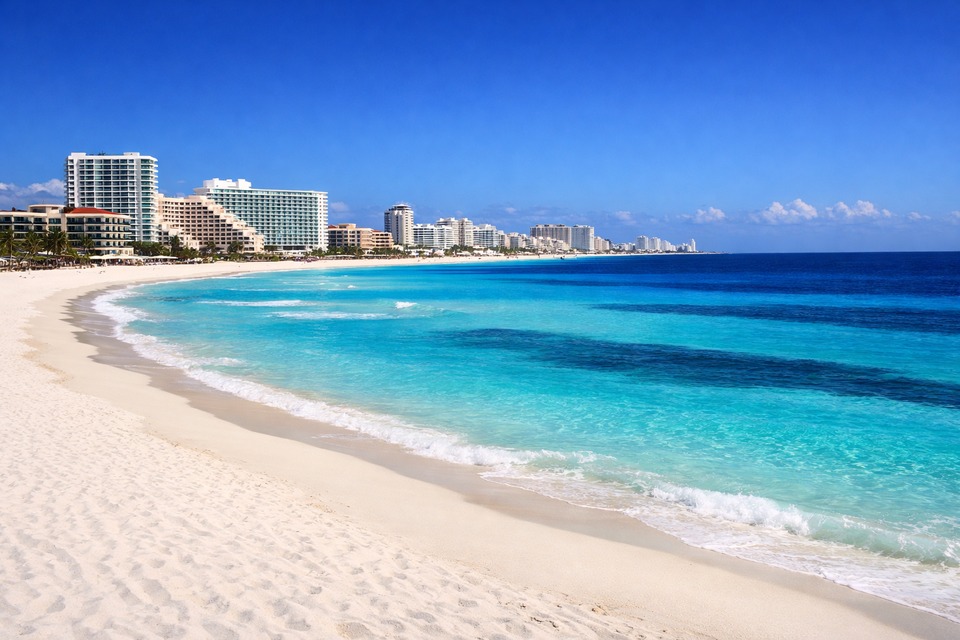
Cancun, Mexico
Cancun is Mexico's premier Caribbean coastal destination, located on the Yucatan Peninsula where ancient Mayan…
Explore Cancun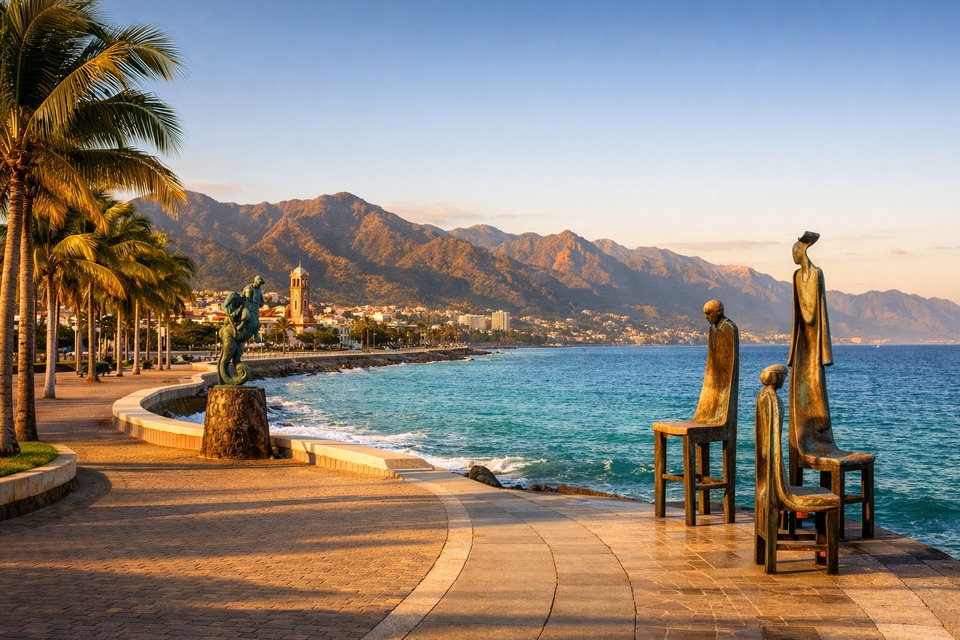
Puerto Vallarta, Mexico
Puerto Vallarta is a vibrant coastal city on Mexico's Pacific coast that perfectly blends authentic Mexican culture…
Explore Puerto Vallarta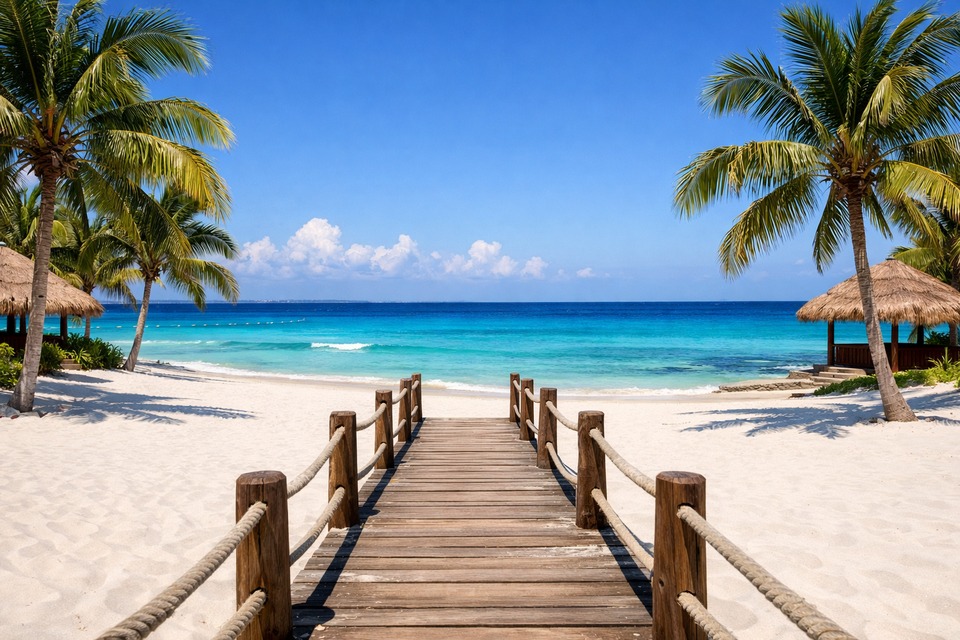
Playa del Carmen, Mexico
Playa del Carmen is a vibrant coastal town on Mexico's Riviera Maya, perfectly positioned between the ancient Mayan…
Explore Playa del Carmen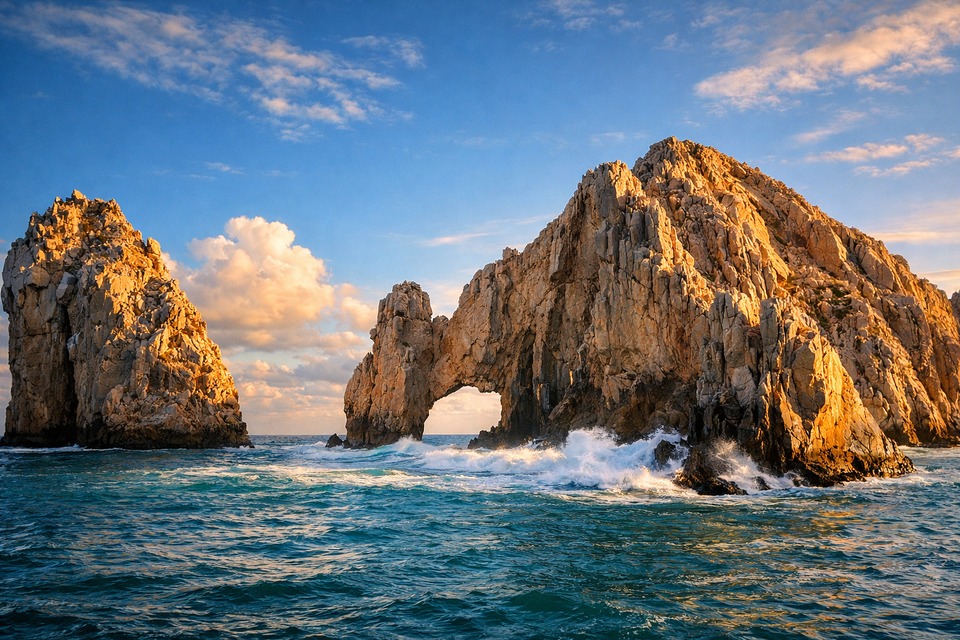
Cabo San Lucas (Los Cabos), Mexico
Cabo San Lucas, located at the southern tip of Mexico's Baja California Peninsula, is a world-renowned resort…
Explore Cabo San Lucas (Los Cabos)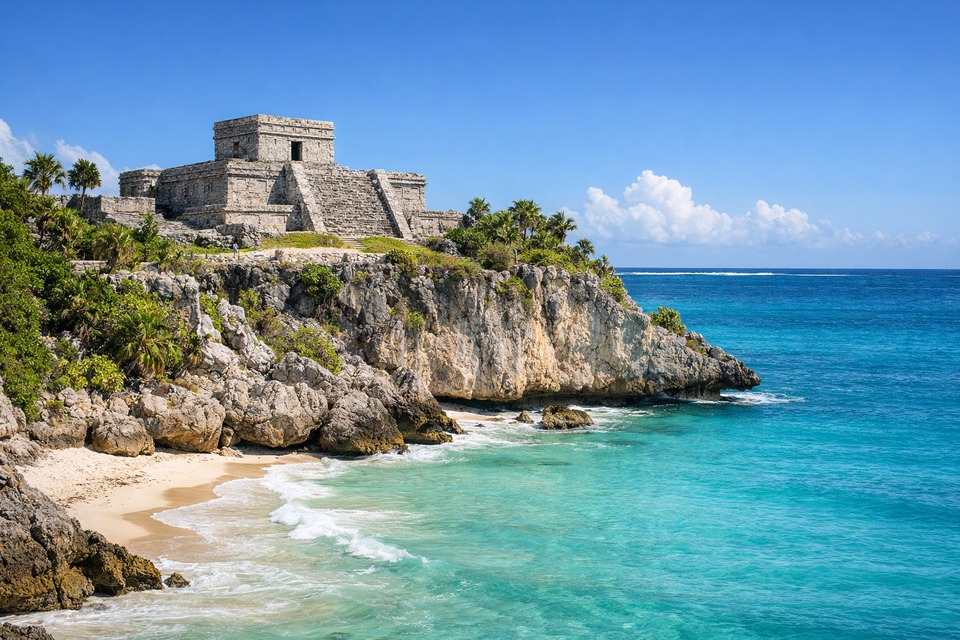
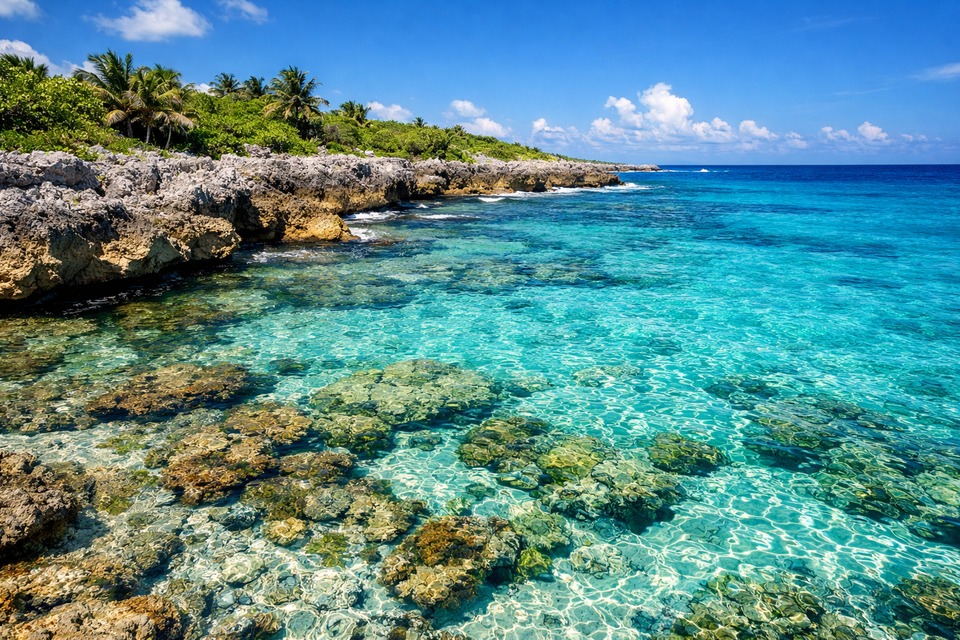
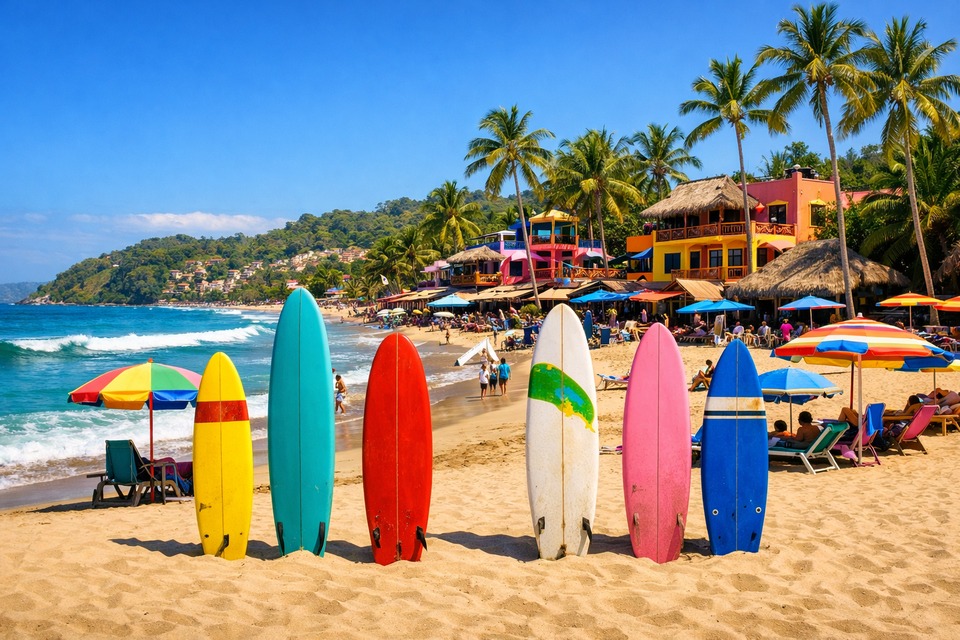
Riviera Nayarit, Mexico
Explore Riviera Nayarit with a local travel specialist.
Explore Riviera Nayarit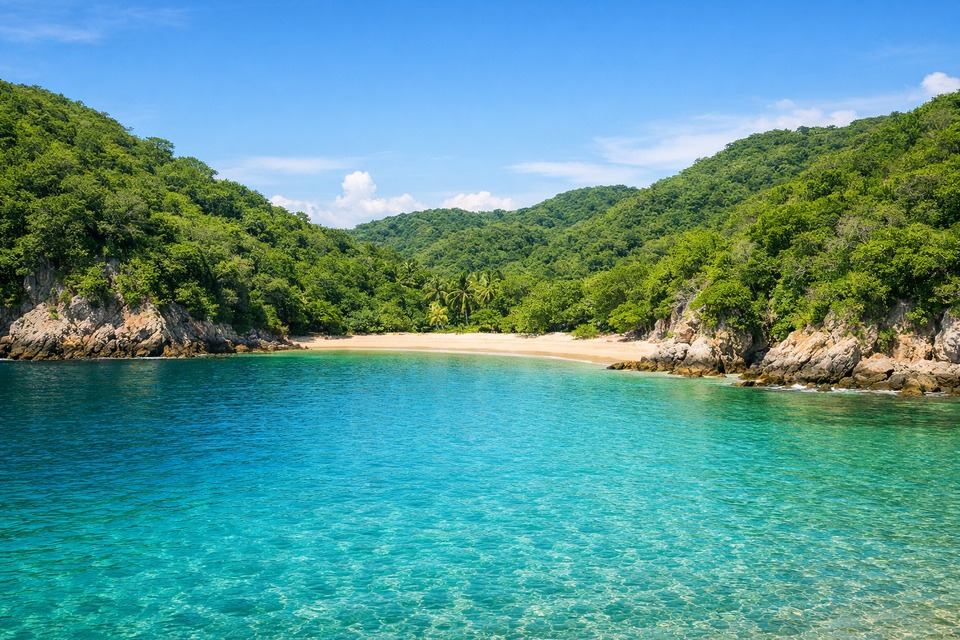
Swipe to explore more destinations →
When to visit Colosio Avenue
Colosio Avenue quick facts
Getting around Colosio Avenue
Walking and cycling are popular along Colosio Avenue's sidewalks and bike paths. Local colectivos (shared vans) run frequently and connect to other parts of Playa del Carmen and nearby towns.
Rental car
Not necessary for exploring Colosio Avenue itself, but useful for day trips to cenotes, Tulum, or other Riviera Maya destinations beyond public transport routes.
Public transit
Colectivos are the main public transport - affordable shared vans that run set routes throughout the day along major avenues including Colosio.
Rideshare & taxis
Uber operates in the area along with local taxis, though they're more expensive than colectivos for short local trips.
Local tips for Colosio Avenue
Insider tips
- Shop at local markets like Mercado Municipal early morning for freshest produce and best selection.
- Many restaurants close between 3-6 PM for siesta, so plan lunch before 3 PM or dinner after 6 PM.
- Bargaining is expected at local markets but not in established stores or restaurants.
- Carry small bills as many local vendors can't break large peso notes or US twenties.
- Local buses and colectivos are extremely affordable but can be crowded during rush hours.
- Ask locals for restaurant recommendations - they know the best hidden gems off the tourist path.
- Many businesses are family-owned, so showing interest in their story often leads to better service and local insights.
- Street food is generally safe from busy stalls with high turnover, but avoid vendors with food sitting out too long.
What to pack
- Comfortable walking shoes for exploring local neighborhoods
- Spanish phrasebook or translation app
- Small backpack for market shopping and day trips
- Sunscreen and hat for tropical sun protection
- Light rain jacket for brief afternoon showers
- Cash and small bills for local vendors
- Swimwear for nearby beach access
- Lightweight, breathable clothing
- Mosquito repellent for tropical climate
- Reusable water bottle with purification tablets
Sample itinerary: 3 days in Colosio Avenue
A suggested day-by-day plan your travel agent can customize.
Chat with Courtney to plan your dream Colosio Avenue itinerary
A day-by-day plan built around your dates, pace, and budget, by a real advisor who prices Colosio Avenue trips every week. Free, because resorts pay her, not you.
Plan my dream itinerary Price it firstFrequently Asked Questions
Common questions about visiting Colosio Avenue
