Cinnamon Bay, St. John
Trip Profile
Travel Planning
Explore Other Destinations
More places we help travelers plan
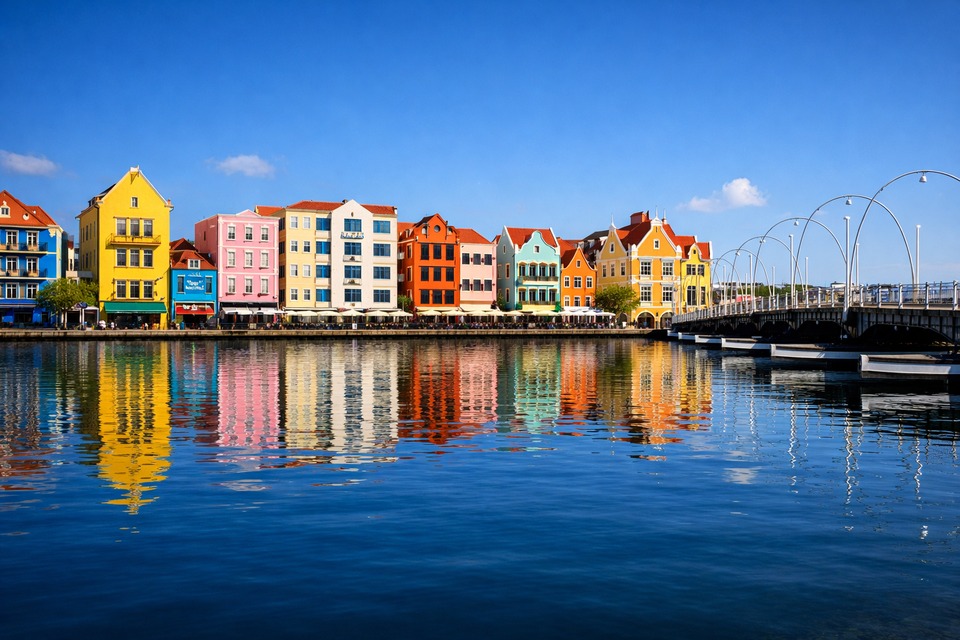
Curaçao
Trending 2026 destination with 38% rise in family travel. Outside hurricane belt. Features Sandals Royal Curaçao…
Explore Curaçao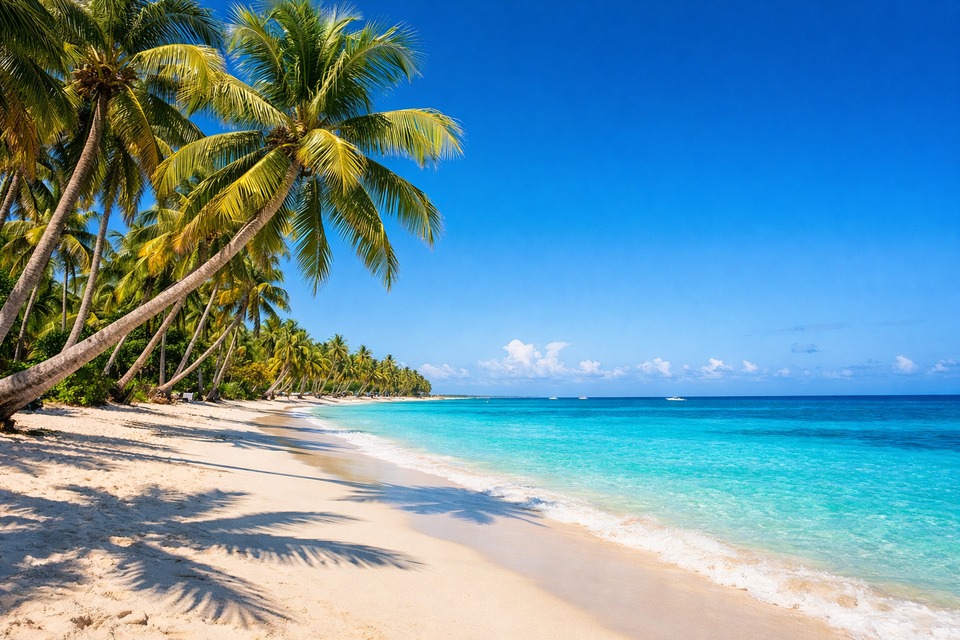
Punta Cana, Dominican Republic
#1 most visited Caribbean destination with 50,000+ hotel rooms. Home to the highest concentration of all-inclusive…
Explore Punta Cana
Negril, Jamaica
Home to iconic Seven Mile Beach, Jamaica's most laid-back beach destination. Features Beaches Negril (family…
Explore Negril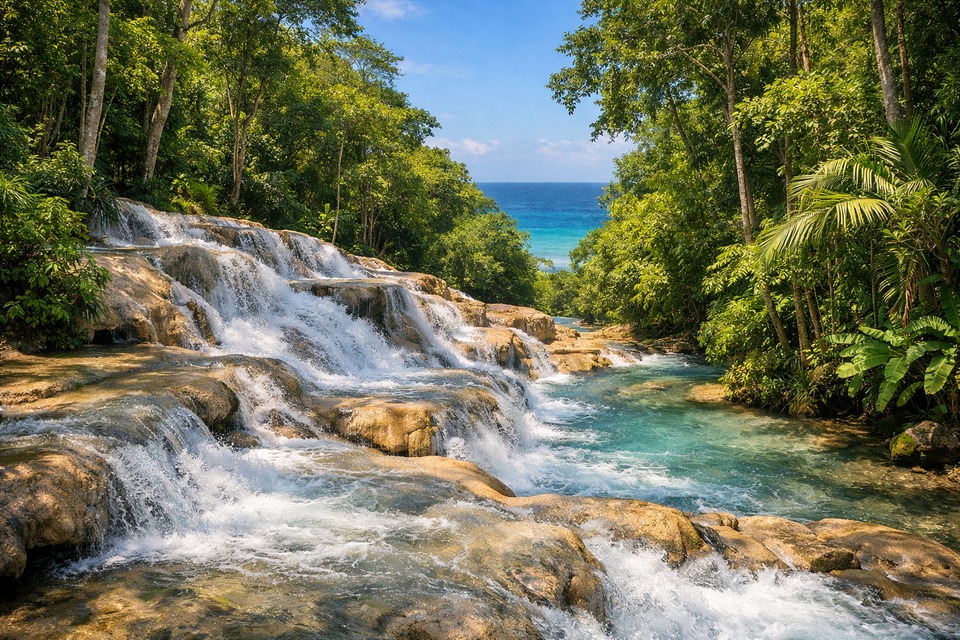
Ocho Rios, Jamaica
Jamaica's adventure tourism capital, home to Dunn's River Falls. Features Sandals Ochi, Sandals Dunn's River, RIU…
Explore Ocho Rios
Barbados
Never "out of style" destination with British heritage. Features 2 Sandals resorts plus NEW Marriott Tribute…
Explore Barbados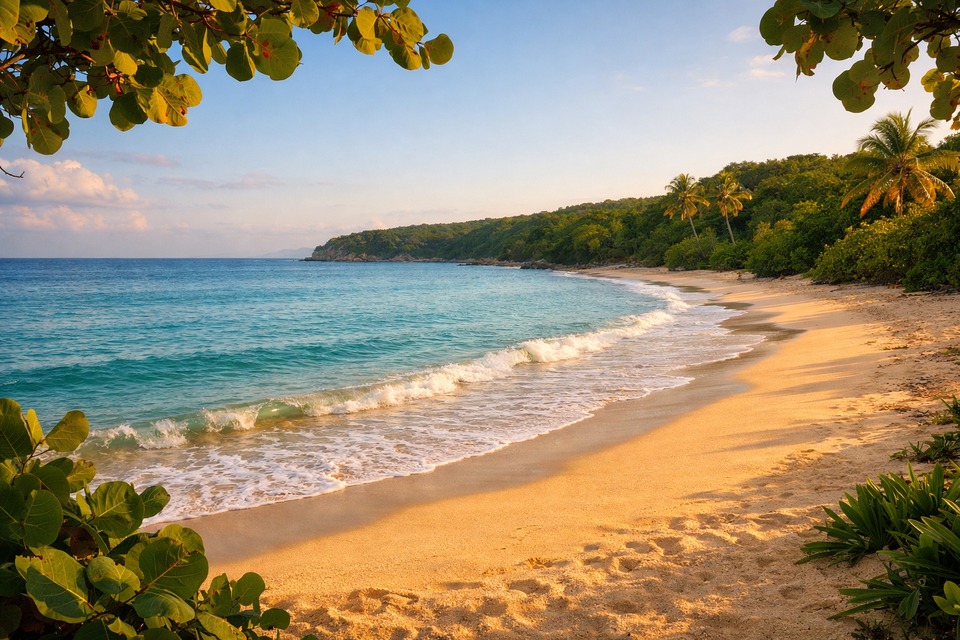
Whitehouse, Jamaica
Jamaica's South Coast features Sandals South Coast with Caribbean's first overwater bungalows. Most authentic…
Explore Whitehouse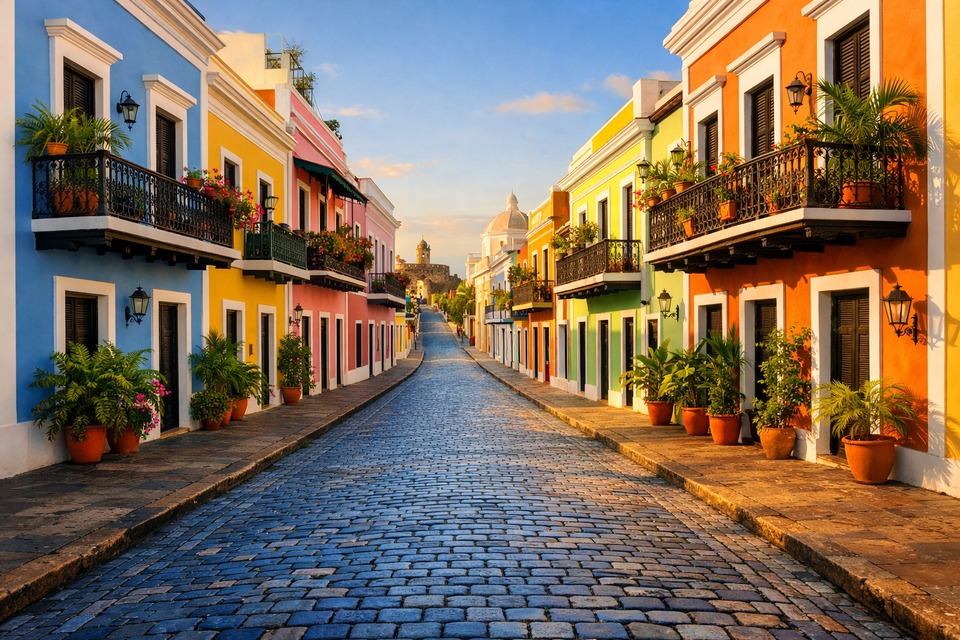
San Juan, Puerto Rico
#2 most visited Caribbean destination overall. No passport needed for U.S. citizens. Features Ritz-Carlton Dorado,…
Explore San Juan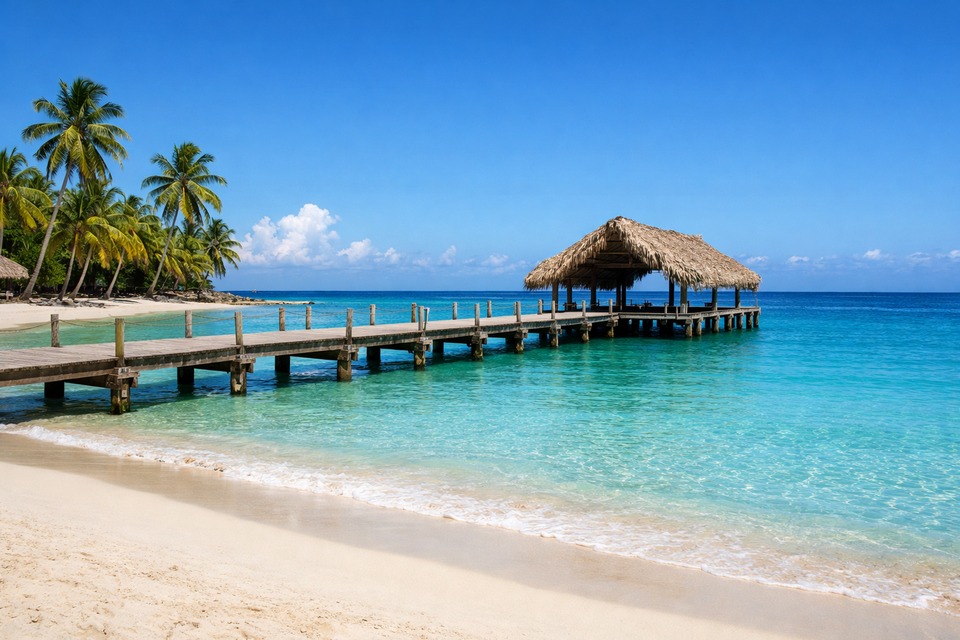
Port of Spain & Tobago
Home to Caribbean's biggest carnival. Trinidad features Hilton Trinidad and Hyatt Regency. Birthplace of steel drum…
Explore Port of Spain & TobagoSwipe to explore more destinations →
When to visit Cinnamon Bay
Cinnamon Bay quick facts
Getting around Cinnamon Bay
Transportation on St. John is primarily by rental car or taxi, as the island has no public bus system. Most visitors rent a vehicle to explore the various beaches and hiking trails throughout Virgin Islands National Park.
Rental car
Highly recommended for maximum flexibility to explore the island's many beaches, hiking trails, and scenic viewpoints at your own pace.
Public transit
No public transit system exists on St. John, making rental cars or taxis the only transportation options.
Rideshare & taxis
Uber and Lyft are not available; traditional taxi services operate but can be expensive and may require advance booking, especially for multiple trips.
Local tips for Cinnamon Bay
Insider tips
- Book tent sites well in advance, especially for winter months when the campground fills up quickly.
- Bring a cooler and stock up on groceries in St. Thomas before taking the ferry to save money on limited island options.
- The beach faces west, so arrive early morning for the best snorkeling visibility before afternoon crowds.
- Pack reef-safe sunscreen as regular sunscreen is harmful to the coral reefs you'll be snorkeling over.
- Rent snorkel gear on-island rather than flying with it to avoid baggage fees and potential damage.
- The camp store closes early, so grab essentials before evening if you need supplies.
- Bring cash as many local vendors and small businesses don't accept credit cards.
- Download offline maps before arriving since cell service can be unreliable in the national park.
- The beach can get crowded when cruise ships are in port, so check schedules for quieter days.
What to pack
- Reef-safe sunscreen and aloe vera
- Quick-dry clothing and swimwear
- Waterproof phone case
- Insect repellent for evening
- Portable cooler for food storage
- Flashlight or headlamp
- Water shoes for rocky areas
- Lightweight rain jacket
- Reusable water bottles
- Cash for local purchases
Sample itinerary: 4 days in Cinnamon Bay
A suggested day-by-day plan your travel agent can customize.
Chat with Courtney to plan your dream Cinnamon Bay itinerary
A day-by-day plan built around your dates, pace, and budget, by a real advisor who prices Cinnamon Bay trips every week. Free, because resorts pay her, not you.
Plan my dream itineraryFrequently Asked Questions
Common questions about visiting Cinnamon Bay
