Chileno Beach, Cabo San Lucas
Trip Profile
Travel Planning
Explore Other Destinations
More places we help travelers plan
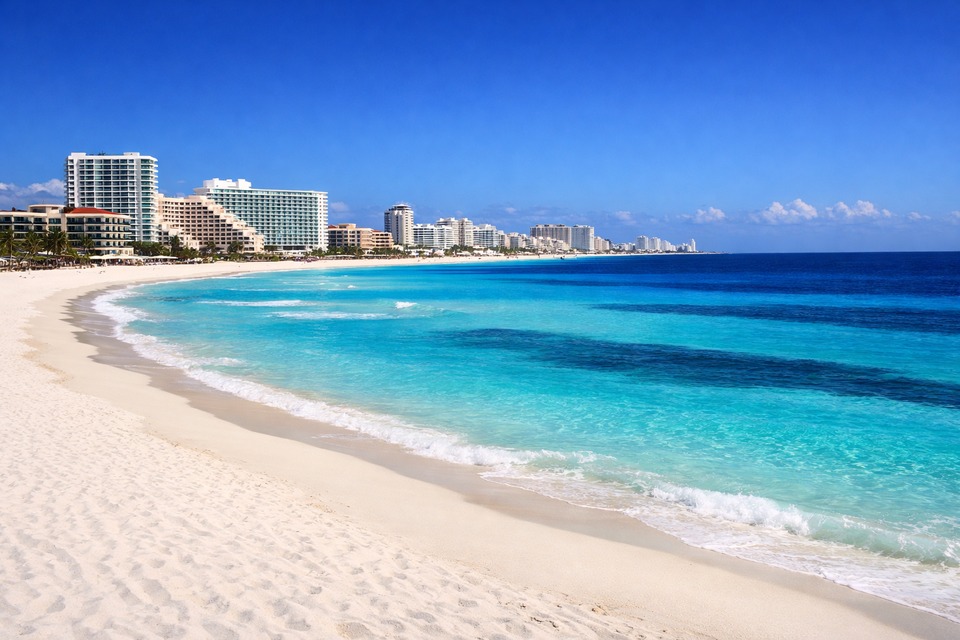
Cancun, Mexico
Cancun is Mexico's premier Caribbean coastal destination, located on the Yucatan Peninsula where ancient Mayan…
Explore Cancun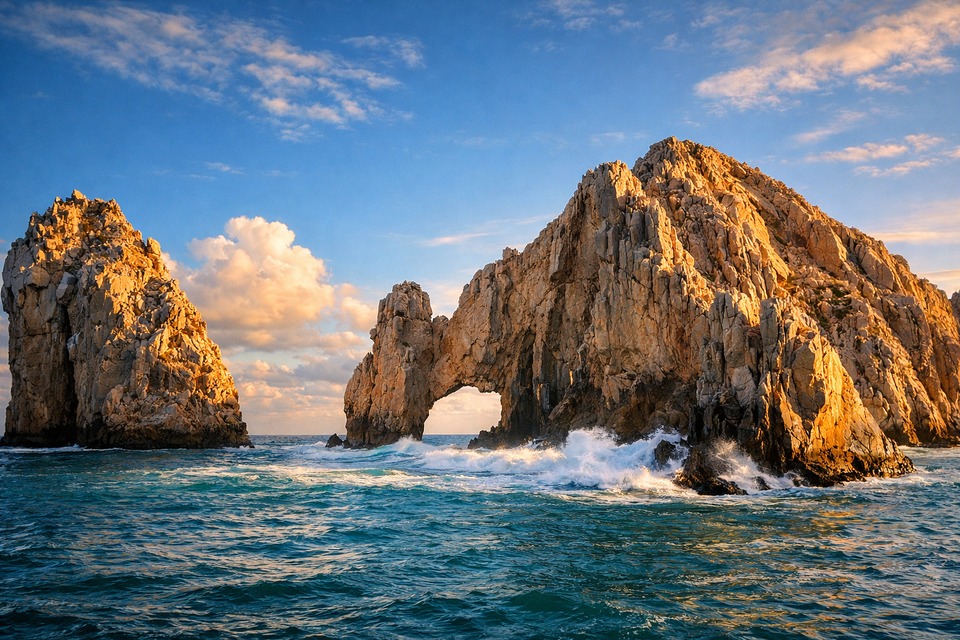
Cabo San Lucas (Los Cabos), Mexico
Cabo San Lucas, located at the southern tip of Mexico's Baja California Peninsula, is a world-renowned resort…
Explore Cabo San Lucas (Los Cabos)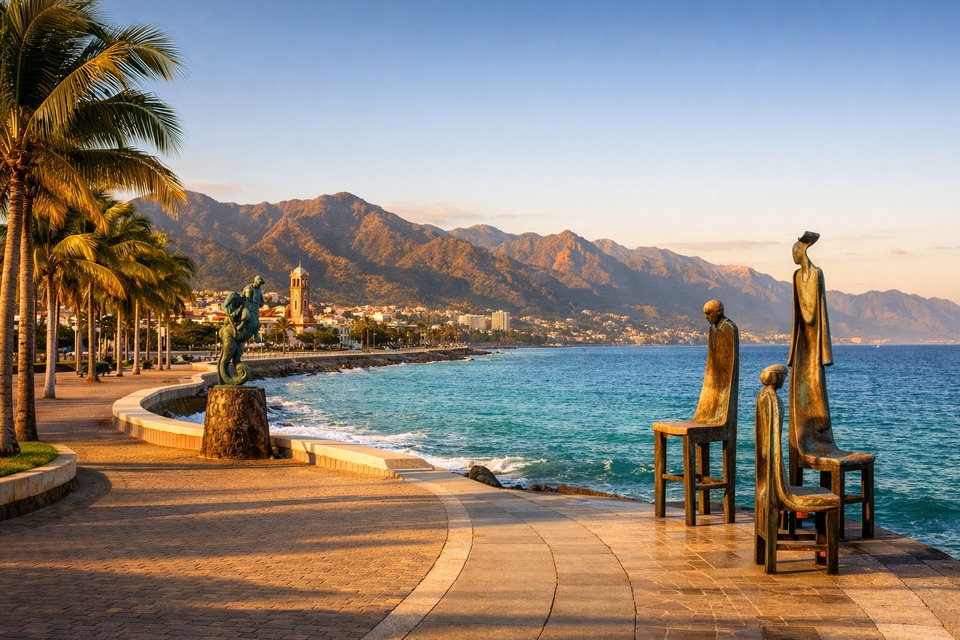
Puerto Vallarta, Mexico
Puerto Vallarta is a vibrant coastal city on Mexico's Pacific coast that perfectly blends authentic Mexican culture…
Explore Puerto Vallarta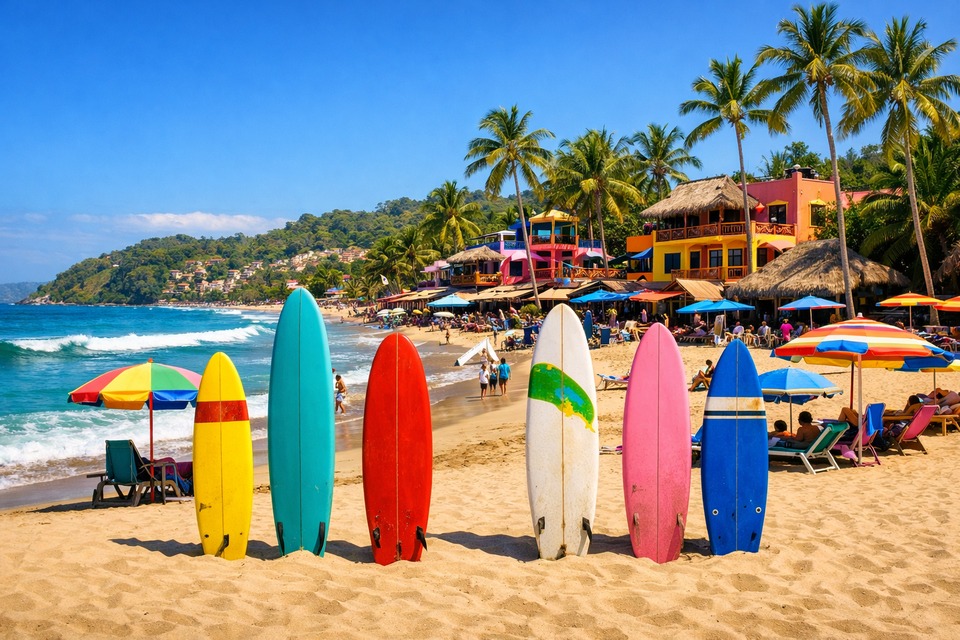
Riviera Nayarit, Mexico
Explore Riviera Nayarit with a local travel specialist.
Explore Riviera Nayarit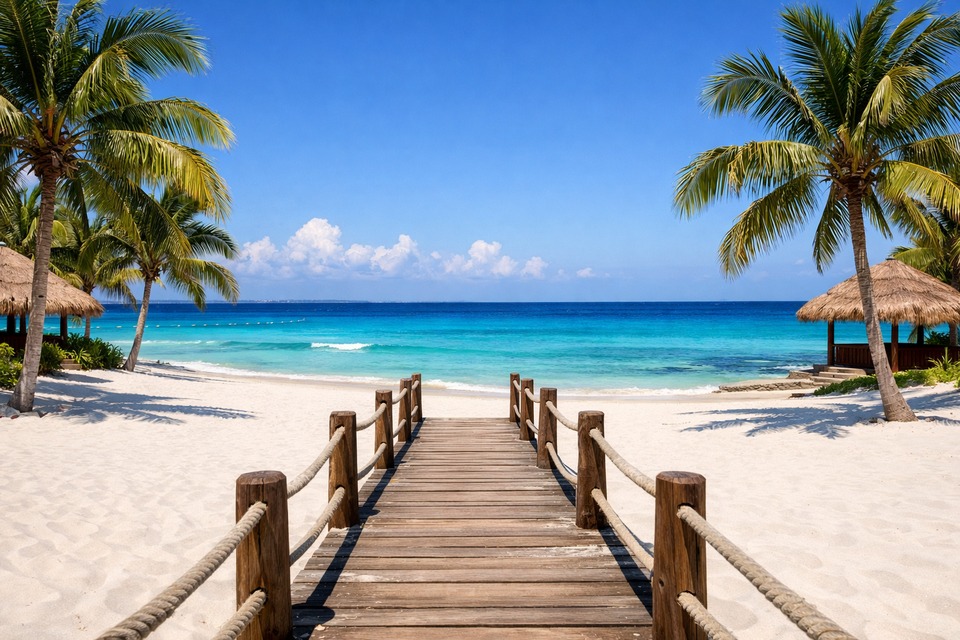
Playa del Carmen, Mexico
Playa del Carmen is a vibrant coastal town on Mexico's Riviera Maya, perfectly positioned between the ancient Mayan…
Explore Playa del Carmen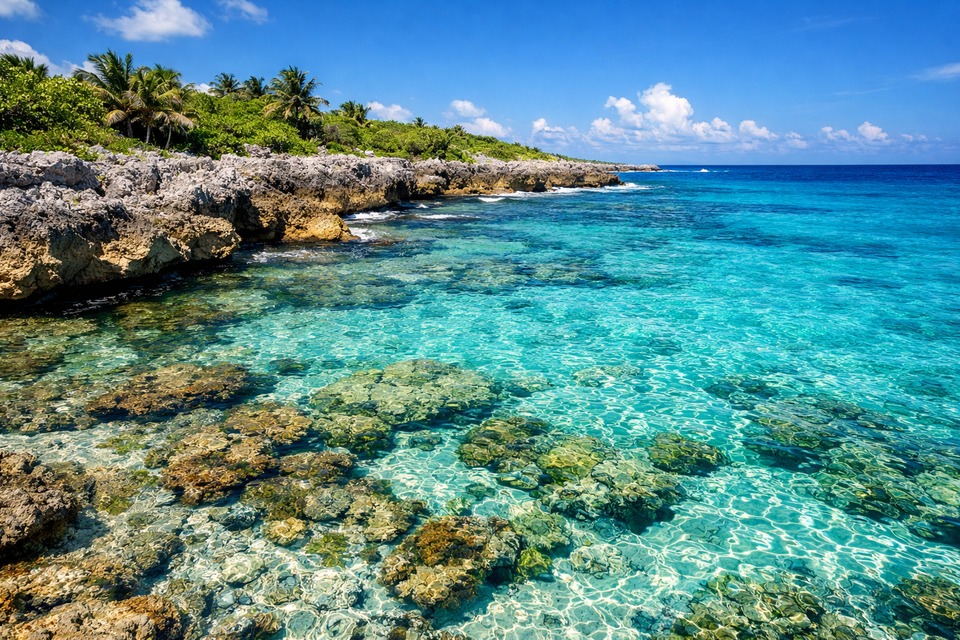
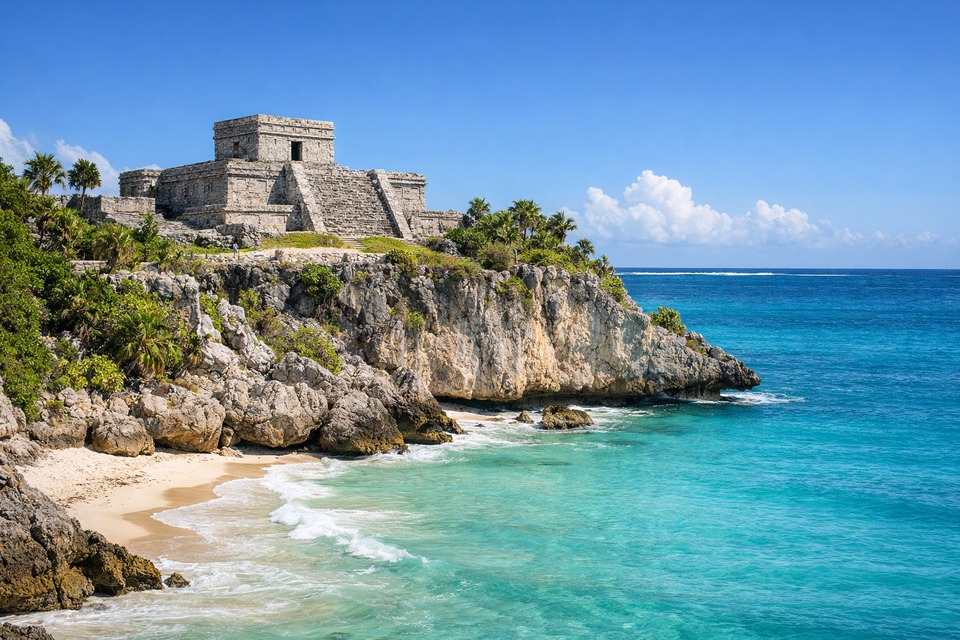
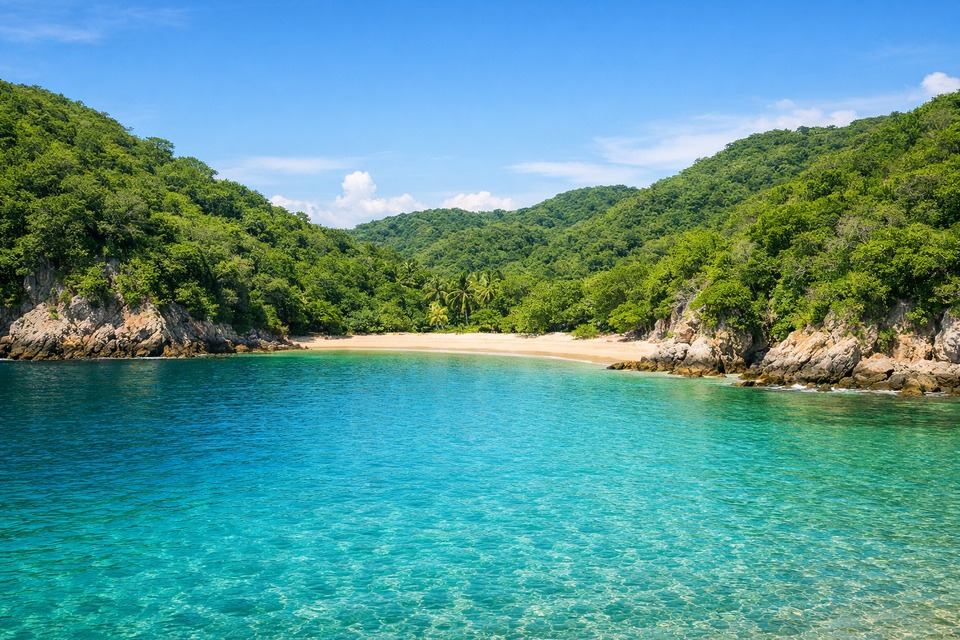
Swipe to explore more destinations →
When to visit Chileno Beach
Chileno Beach quick facts
Getting around Chileno Beach
Most visitors rely on rental cars, hotel shuttles, or taxis to reach Chileno Beach from their accommodations. The beach is located along the main Hotel Corridor highway, making it easily accessible by various transportation methods.
Rental car
A rental car is highly recommended for flexibility in exploring multiple beaches and attractions along the corridor at your own pace.
Public transit
Limited public bus service runs along the Hotel Corridor, but schedules can be unreliable and stops may require walking distances to the beach.
Rideshare & taxis
Uber and local taxis are readily available from hotels and resorts, though costs can add up for multiple trips between beaches and towns.
Local tips for Chileno Beach
Insider tips
- Visit early morning or late afternoon for the best lighting and fewer crowds, plus calmer conditions for snorkeling.
- Bring reef-safe sunscreen as this is a protected marine area with strict environmental regulations.
- The right side of the beach near the rocks offers the best snorkeling opportunities with more marine life.
- Pack your own drinks and snacks as beachside vendors can be expensive and limited.
- Check tide schedules as low tide provides the best visibility for snorkeling and easier reef access.
- Wear water shoes or fins as the rocky areas can be sharp when entering snorkeling spots.
- Stay hydrated and seek shade regularly as the desert sun is intense even with ocean breezes.
- Consider combining your visit with nearby Santa Maria Bay for a full day of beach hopping.
- Tip restaurant staff and beach attendants in pesos for better service and local appreciation.
What to pack
- Reef-safe sunscreen (SPF 30+)
- Snorkel gear or plan to rent locally
- Water shoes for rocky areas
- Wide-brimmed hat and UV-protective clothing
- Waterproof phone case
- Insulated water bottle
- Beach umbrella or pop-up tent
- Quick-dry towel
- Underwater camera
- Cash in small bills for vendors
Sample itinerary: 4 days in Chileno Beach
A suggested day-by-day plan your travel agent can customize.
Chat with Courtney to plan your dream Chileno Beach itinerary
A day-by-day plan built around your dates, pace, and budget, by a real advisor who prices Chileno Beach trips every week. Free, because resorts pay her, not you.
Plan my dream itineraryFrequently Asked Questions
Common questions about visiting Chileno Beach
