Castries, St. Lucia
Trip Profile
Travel Planning
Explore Other Destinations
More places we help travelers plan
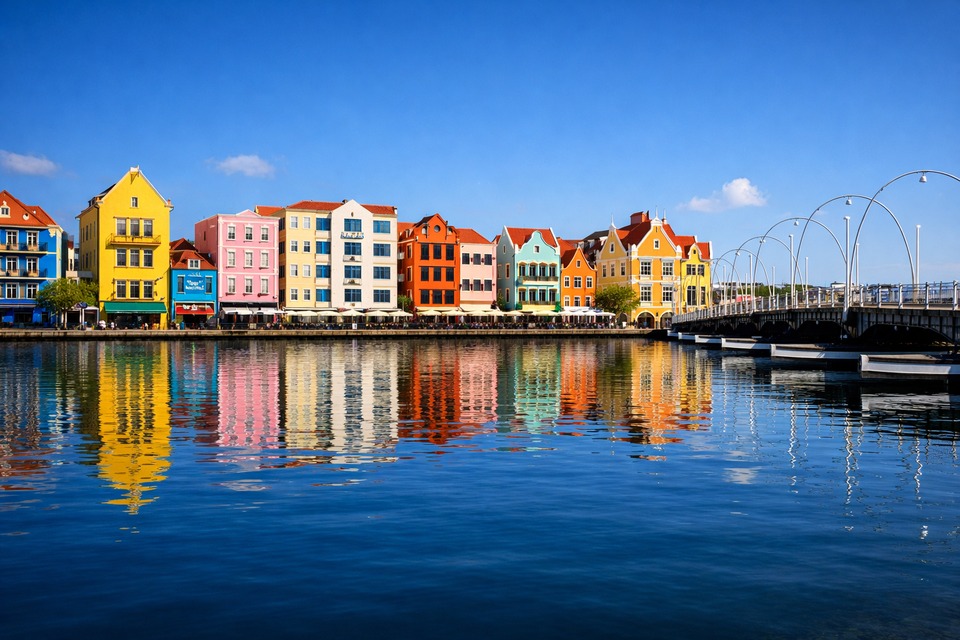
Curaçao
Trending 2026 destination with 38% rise in family travel. Outside hurricane belt. Features Sandals Royal Curaçao…
Explore Curaçao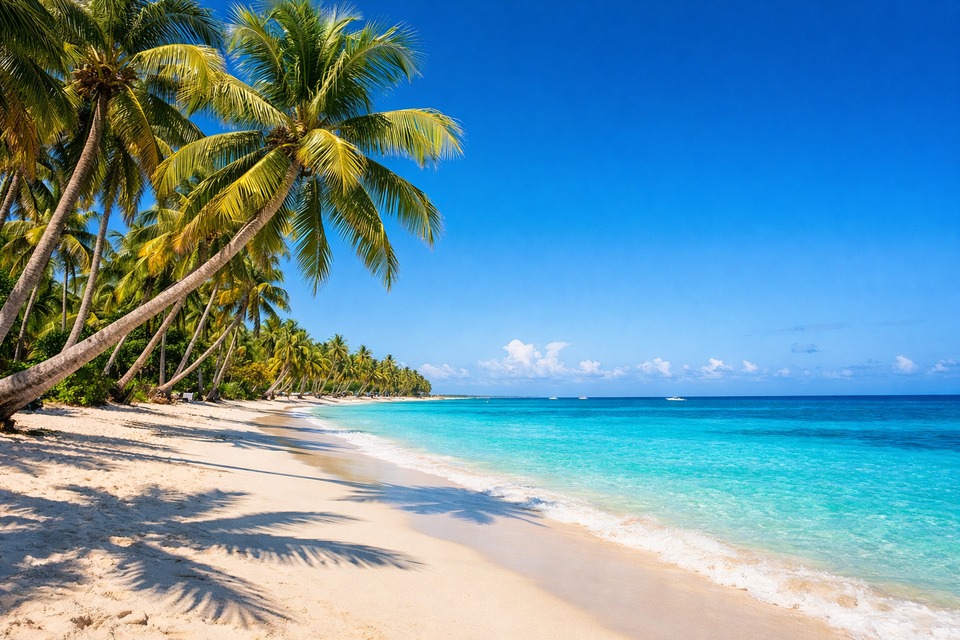
Punta Cana, Dominican Republic
#1 most visited Caribbean destination with 50,000+ hotel rooms. Home to the highest concentration of all-inclusive…
Explore Punta Cana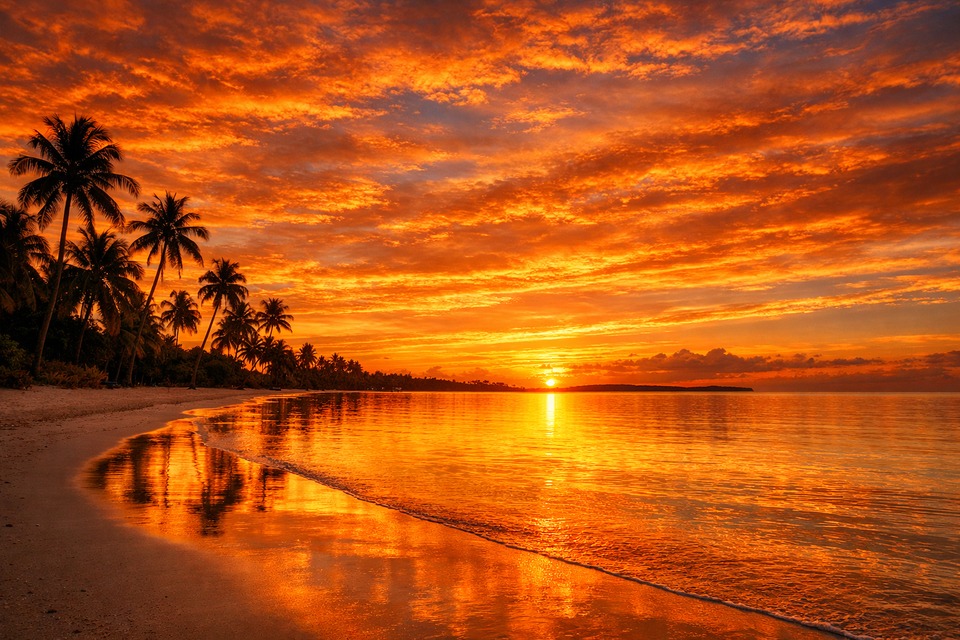
Negril, Jamaica
Home to iconic Seven Mile Beach, Jamaica's most laid-back beach destination. Features Beaches Negril (family…
Explore Negril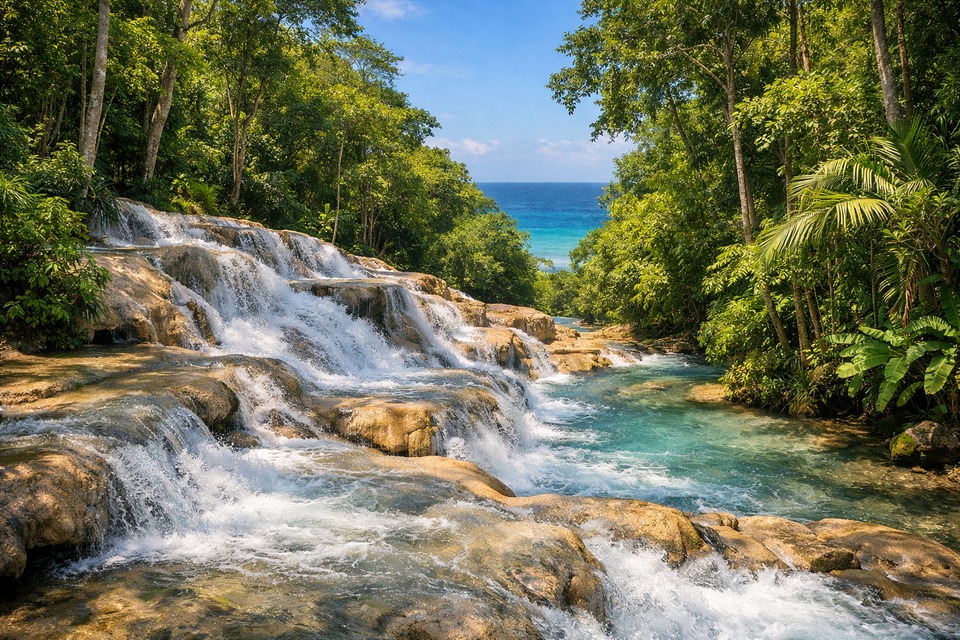
Ocho Rios, Jamaica
Jamaica's adventure tourism capital, home to Dunn's River Falls. Features Sandals Ochi, Sandals Dunn's River, RIU…
Explore Ocho Rios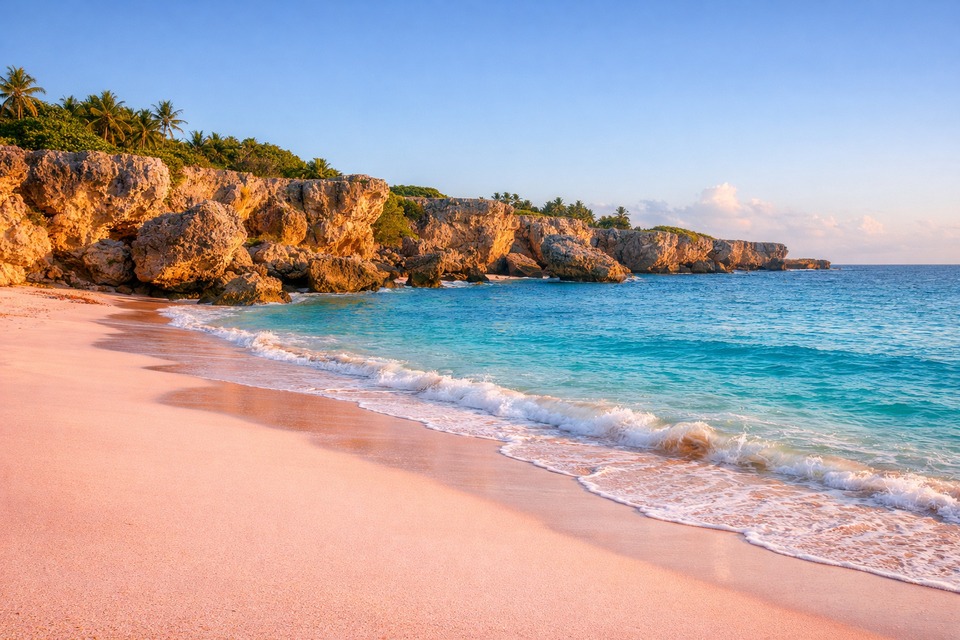
Barbados
Never "out of style" destination with British heritage. Features 2 Sandals resorts plus NEW Marriott Tribute…
Explore Barbados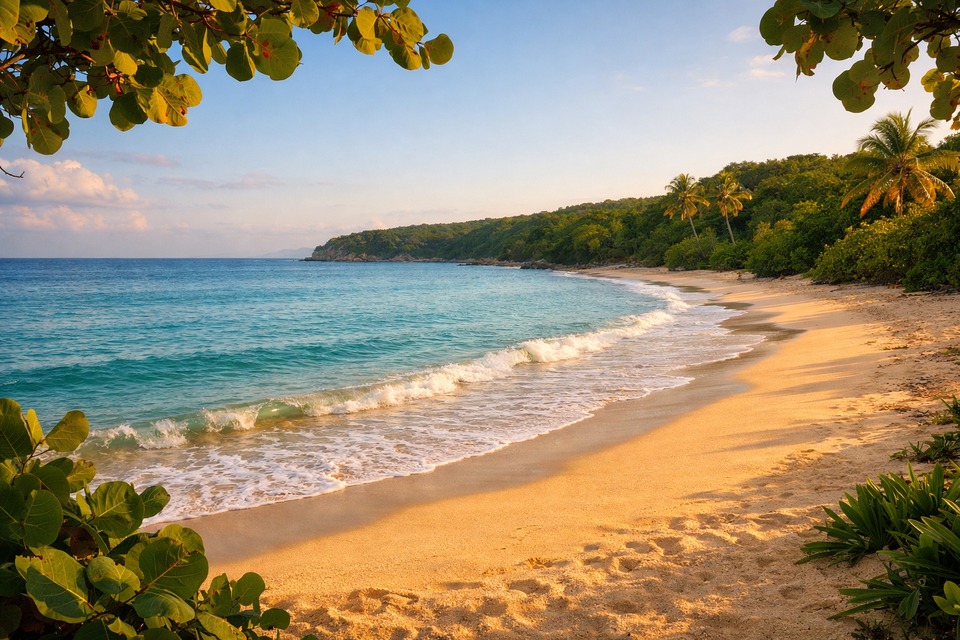
Whitehouse, Jamaica
Jamaica's South Coast features Sandals South Coast with Caribbean's first overwater bungalows. Most authentic…
Explore Whitehouse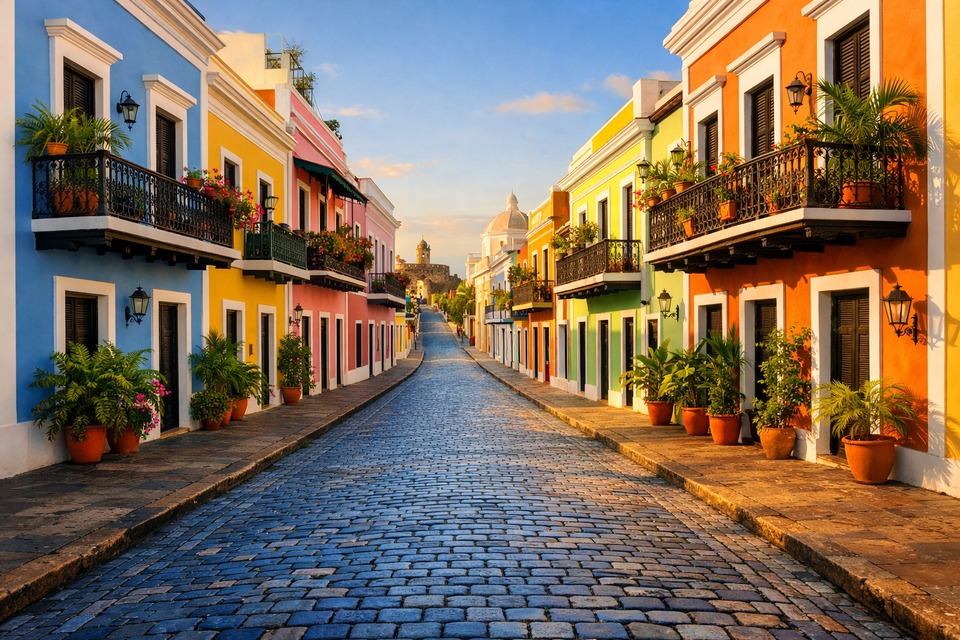
San Juan, Puerto Rico
#2 most visited Caribbean destination overall. No passport needed for U.S. citizens. Features Ritz-Carlton Dorado,…
Explore San Juan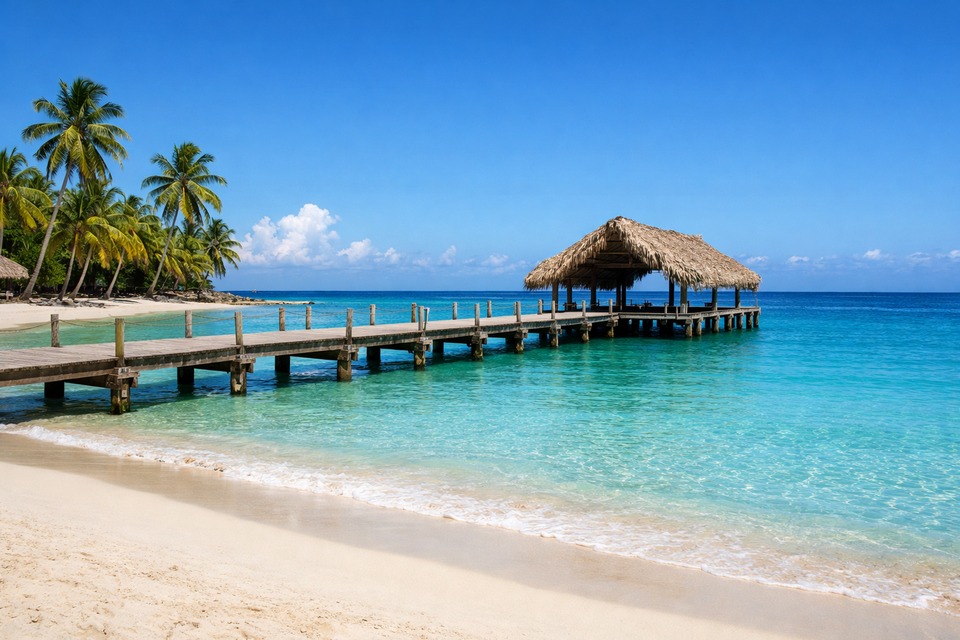
Port of Spain & Tobago
Home to Caribbean's biggest carnival. Trinidad features Hilton Trinidad and Hyatt Regency. Birthplace of steel drum…
Explore Port of Spain & TobagoSwipe to explore more destinations →
When to visit Castries
Castries quick facts
Getting around Castries
Castries is compact and walkable in the main harbor and shopping areas. Taxis are the primary transportation for tourists, while local buses serve residents and budget-conscious travelers.
Rental car
Rental cars aren't necessary for exploring Castries itself, but can be useful for independent island exploration. Driving is on the left side and roads can be narrow and winding.
Public transit
Local minibuses connect Castries to other parts of the island but can be crowded and confusing for first-time visitors. They're very affordable but not tourist-oriented.
Rideshare & taxis
Uber and Lyft don't operate in St. Lucia, but taxis are readily available at the cruise port, hotels, and can be called by phone. Water taxis also connect Castries to nearby Rodney Bay.
Local tips for Castries
Insider tips
- Visit Castries Central Market early in the morning for the freshest produce and to experience authentic local culture before cruise ship crowds arrive.
- Negotiate taxi fares before getting in, as most don't use meters, and consider sharing rides with other tourists to popular destinations.
- The Cathedral of the Immaculate Conception is free to visit and offers a peaceful respite from the busy harbor area.
- Local vendors often accept US dollars but give better deals if you have Eastern Caribbean currency.
- Saturday is the best day to experience Castries like a local, when the market is most vibrant and families come to shop.
- Free WiFi is available at most cafes and restaurants in the harbor area, but can be slow during peak cruise ship days.
- Rum shops (local bars) offer an authentic Caribbean experience and are usually welcoming to respectful tourists.
- The best views of Castries harbor are from the hills above the city, accessible by taxi or organized tour.
What to pack
- Lightweight, breathable clothing in cotton or linen
- Comfortable walking shoes for exploring markets and uneven streets
- Reef-safe sunscreen (high SPF recommended)
- Wide-brimmed hat and sunglasses
- Light rain jacket or umbrella for tropical showers
- Swimwear and beach cover-up
- Insect repellent for evening activities
- Comfortable sandals that can get wet
- Small daypack for shopping and day trips
- Reusable water bottle to stay hydrated in the tropical heat
Sample itinerary: 3 days in Castries
A suggested day-by-day plan your travel agent can customize.
Chat with Courtney to plan your dream Castries itinerary
A day-by-day plan built around your dates, pace, and budget, by a real advisor who prices Castries trips every week. Free, because resorts pay her, not you.
Plan my dream itinerary Price it firstFrequently Asked Questions
Common questions about visiting Castries
